
Elbow Fracture Care in North Texas. Dr. Manoj P. Reddy offers this treatment at his Dallas, Rockwall and Garland offices.
How are elbow fractures cared for?
Treatment is matched to the bone involved and how far the pieces have moved. Stable fractures are protected briefly and then moved early. Displaced fractures are realigned and fixed so that motion can begin as soon as it is safe.
Which fractures does this cover?
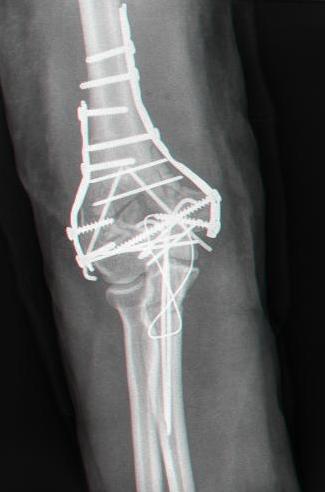
Olecranon, radial head and other fractures around the elbow.
How is it performed?
For fractures that need fixation, an incision is made over the fracture, the pieces are realigned and held with plates, screws or wires. A radial head that cannot be repaired may be replaced with a metal implant.
What is recovery like?
Early, guided motion is the priority, because the elbow is prone to stiffness. Lifting and pushing are limited until the bone has healed.
How do I prepare for surgery?
Before surgery you will receive instructions on medications to stop, when to stop eating and drinking, and skin preparation. Arrange for an adult to drive you home and stay with you the first night, and schedule your first physical therapy visit in advance when one is planned. Read the pre-op instructions.
Why is early motion so important?
The elbow is more prone to stiffness than almost any other joint. Even a few weeks of immobilization can lead to a lasting loss of motion. Treatment is therefore designed around starting movement as early as the fracture safely allows, with fixation when needed to make that possible.
When can I drive, work and return to activity?
Driving usually resumes once you are out of the splint or sling and can control the wheel, often at two to six weeks. Desk work is often possible within one to two weeks. Lifting and pushing are limited until the bone has healed, typically 6 to 12 weeks. See the rehabilitation protocols.
What are the risks?
Specific risks include stiffness, hardware that can be felt and may need removal, irritation of the ulnar nerve, extra bone forming around the joint and the fracture not healing. As with any operation, there are risks of infection, bleeding, blood clots, stiffness, nerve or blood vessel injury and problems with anesthesia. These are uncommon, and steps are taken before, during and after surgery to lower them.
This page is general information, not medical advice. Recovery times are typical ranges and vary from person to person.
ELBOW TREATMENTS
All elbow topics
Tommy John Reconstruction
Distal Biceps Tendon Repair
Tennis and Golfer’s Elbow Treatment
Fracture Care
Injections
AT A GLANCE
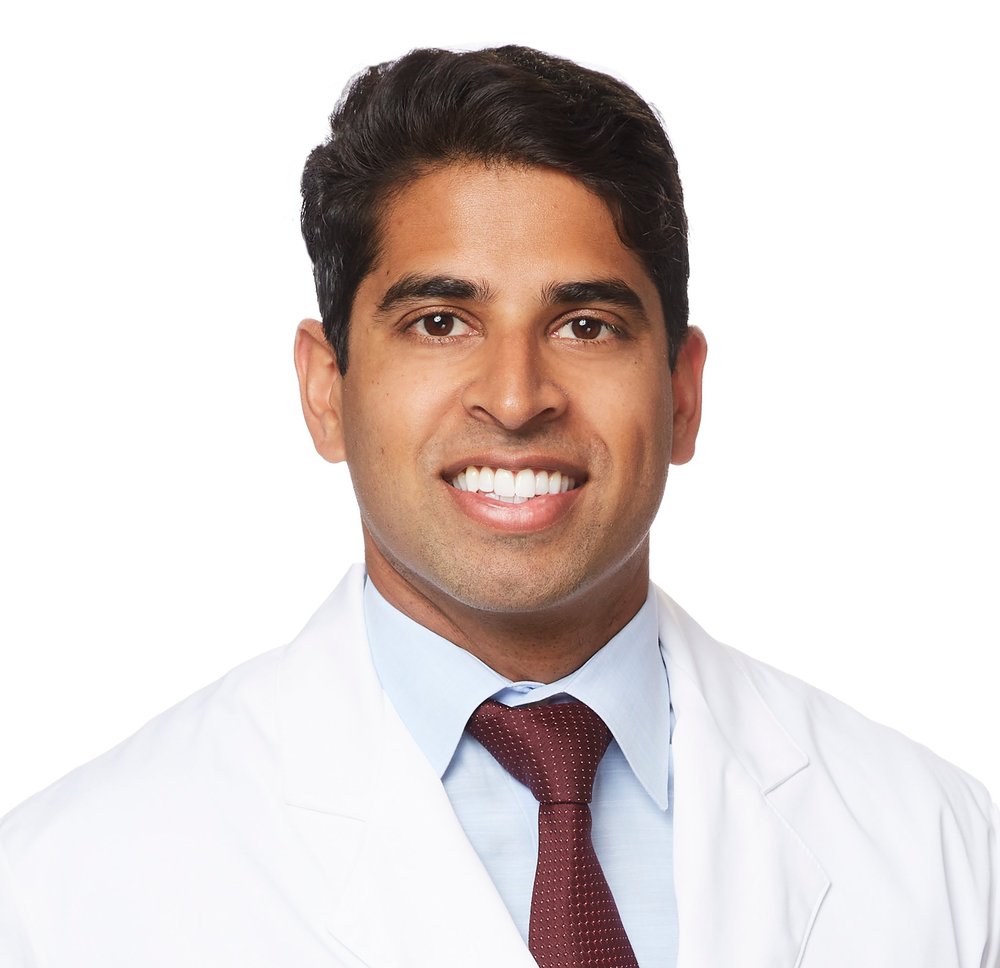
Manoj P. Reddy, MD
- Board-certified orthopaedic surgeon, fellowship-trained in sports medicine and shoulder surgery at the Rothman Orthopaedic Institute
- Orthopaedic surgery residency at the University of Chicago
- Specializes in arthroscopic, reconstructive and joint replacement surgery of the shoulder, knee and elbow
- Assistant team physician for the Philadelphia 76ers, Eagles and Phillies during fellowship; covers Rowlett, Garland and Naaman Forest high schools
- Author of 27 peer-reviewed publications in sports medicine
- Living Magazine Top Doctor, 2024

