
Tennis and Golfer’s Elbow Treatment in North Texas. Dr. Manoj P. Reddy offers this treatment at his Dallas, Rockwall and Garland offices.
How are tennis elbow and golfer’s elbow treated?
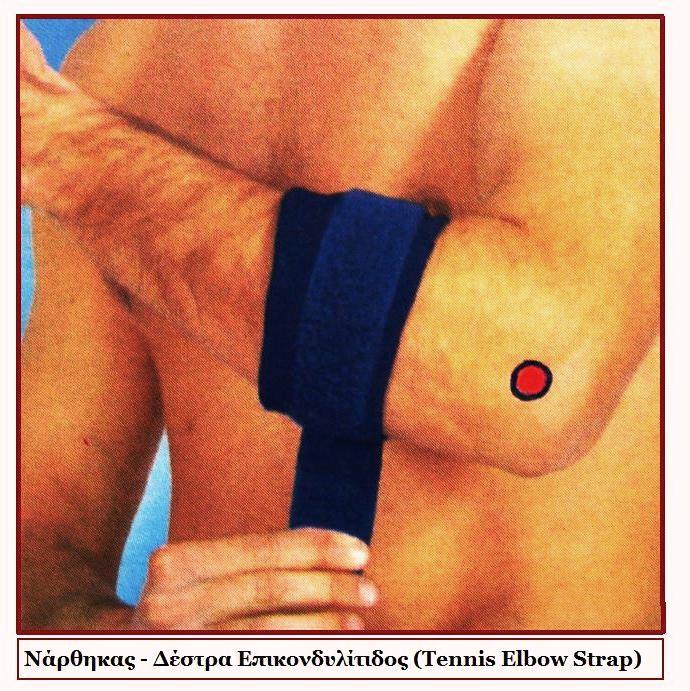
Care begins with stretching, gradually loaded strengthening, bracing and activity changes. Injections, including PRP, are an option when symptoms persist.
When is surgery considered?
Only when symptoms continue after many months of good non-operative care. The damaged tendon tissue is removed and the healthy tendon repaired.
How is it performed?
Non-operative care is a home and therapy program of gradual loading. If surgery is needed, the damaged portion of the tendon is removed through a small incision, the bone is prepared to encourage healing and the healthy tendon is repaired.
What is recovery like?
A short period of protection, then therapy. Most patients return to full activity over about 3 to 4 months.
What does the home program involve?
The core of treatment is slow, gradually loaded exercise for the forearm tendon, done several days a week for at least 6 to 12 weeks, together with stretching and changes to the activities that provoke pain. Download the tennis elbow and golfer’s elbow home exercise programs.
Do injections help?
A steroid injection can relieve pain in the short term but does not improve the long-term result and is used sparingly. PRP is an option for cases that have not improved with a good exercise program.
When can I return to work and sport after surgery?
Light use of the hand begins within days. Desk work is usually possible within one to two weeks, and most patients return to full activity, including racquet sports and lifting, over about three to four months. See the rehabilitation protocols.
What are the risks?
Specific risks of surgery include persistent pain, some loss of grip strength and, on the inner side, irritation of the ulnar nerve. As with any operation, there are risks of infection, bleeding, blood clots, stiffness, nerve or blood vessel injury and problems with anesthesia. These are uncommon, and steps are taken before, during and after surgery to lower them.
This page is general information, not medical advice. Recovery times are typical ranges and vary from person to person.
ELBOW TREATMENTS
All elbow topics
Tommy John Reconstruction
Distal Biceps Tendon Repair
Tennis and Golfer’s Elbow Treatment
Fracture Care
Injections
AT A GLANCE
Manoj P. Reddy, MD
- Board-certified orthopaedic surgeon, fellowship-trained in sports medicine and shoulder surgery at the Rothman Orthopaedic Institute
- Orthopaedic surgery residency at the University of Chicago
- Specializes in arthroscopic, reconstructive and joint replacement surgery of the shoulder, knee and elbow
- Assistant team physician for the Philadelphia 76ers, Eagles and Phillies during fellowship; covers Rowlett, Garland and Naaman Forest high schools
- Author of 27 peer-reviewed publications in sports medicine
- Living Magazine Top Doctor, 2024

