
Elbow Fractures care in North Texas. Dr. Manoj P. Reddy evaluates and treats this condition at his Dallas, Rockwall and Garland offices.
What is an elbow fracture?
The elbow is formed by the lower end of the upper arm bone (humerus) and the upper ends of the two forearm bones (radius and ulna). A break in any of these near the joint is an elbow fracture. The most common in adults are:
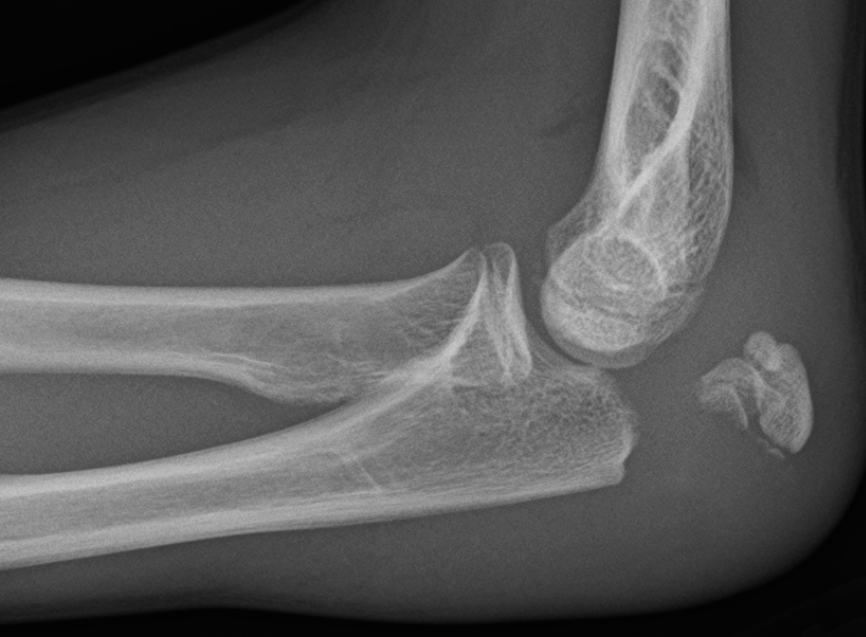
- Radial head fractures, on the outer side of the elbow
- Olecranon fractures, at the pointed tip of the elbow
- Distal humerus fractures, at the lower end of the upper arm bone
What causes an elbow fracture?
A fall onto an outstretched hand, a fall directly onto the elbow, or a direct blow. Some fractures occur together with a dislocation of the joint.
What are the symptoms?
- Pain, swelling and bruising around the elbow
- Difficulty bending, straightening or rotating the forearm
- A visible deformity in more severe injuries
- Numbness or tingling in the hand, which needs prompt assessment
How is it diagnosed?
With X-rays. A CT scan is added for fractures that involve the joint surface or have several pieces.
How are elbow fractures treated?
Fractures that have not shifted are treated with a short period in a sling or splint and then early motion. The elbow stiffens quickly, so it is not kept still longer than necessary.
Displaced fractures are realigned and fixed with plates, screws or wires so that motion can start as soon as it is safe. An olecranon fracture is usually fixed because the triceps muscle pulls the pieces apart. A radial head that is in too many pieces to repair may be replaced.
What is recovery like?
Regaining motion is the priority, and therapy usually begins within the first one to two weeks. Lifting and pushing are limited until the bone has healed, typically six to twelve weeks. Some loss of the last few degrees of straightening is common and rarely affects function.
This page is general information, not medical advice. Recovery times are typical ranges and vary from person to person.
AT A GLANCE
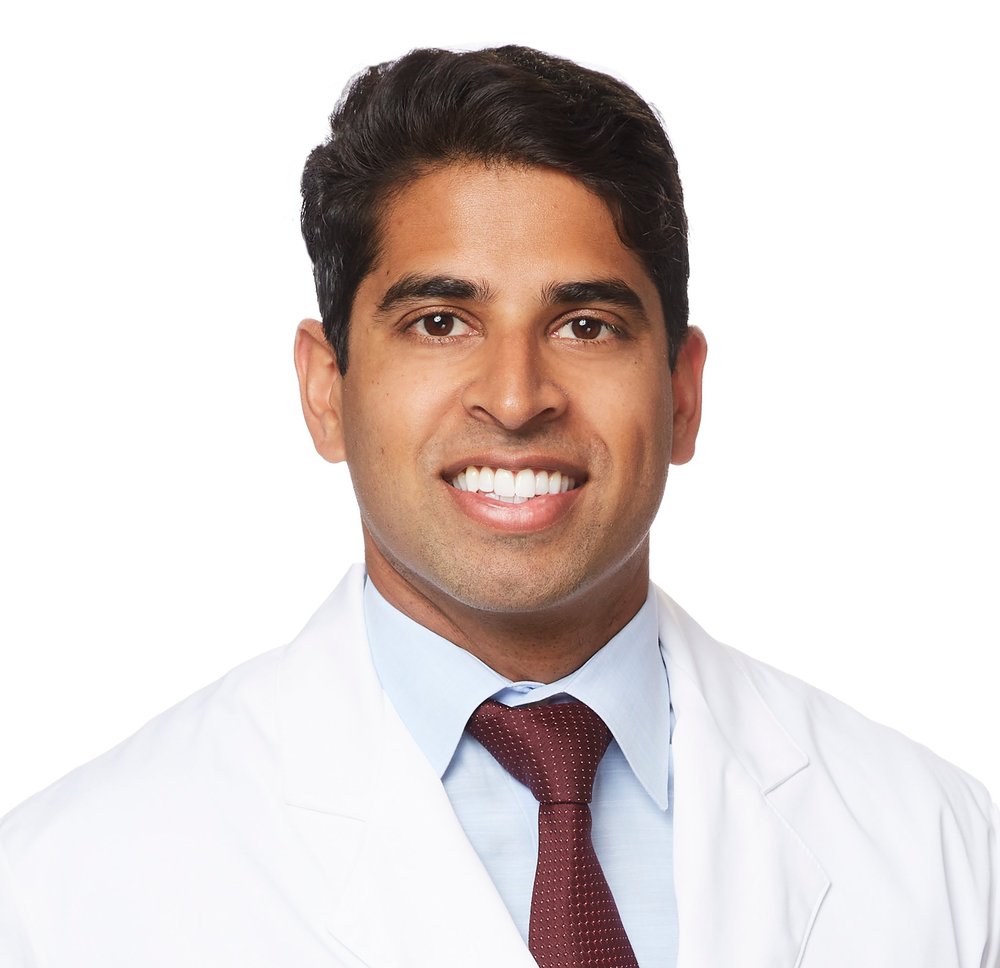
Manoj P. Reddy, MD
- Board-certified orthopaedic surgeon, fellowship-trained in sports medicine and shoulder surgery at the Rothman Orthopaedic Institute
- Orthopaedic surgery residency at the University of Chicago
- Specializes in arthroscopic, reconstructive and joint replacement surgery of the shoulder, knee and elbow
- Assistant team physician for the Philadelphia 76ers, Eagles and Phillies during fellowship; covers Rowlett, Garland and Naaman Forest high schools
- Author of 27 peer-reviewed publications in sports medicine
- Living Magazine Top Doctor, 2024

