
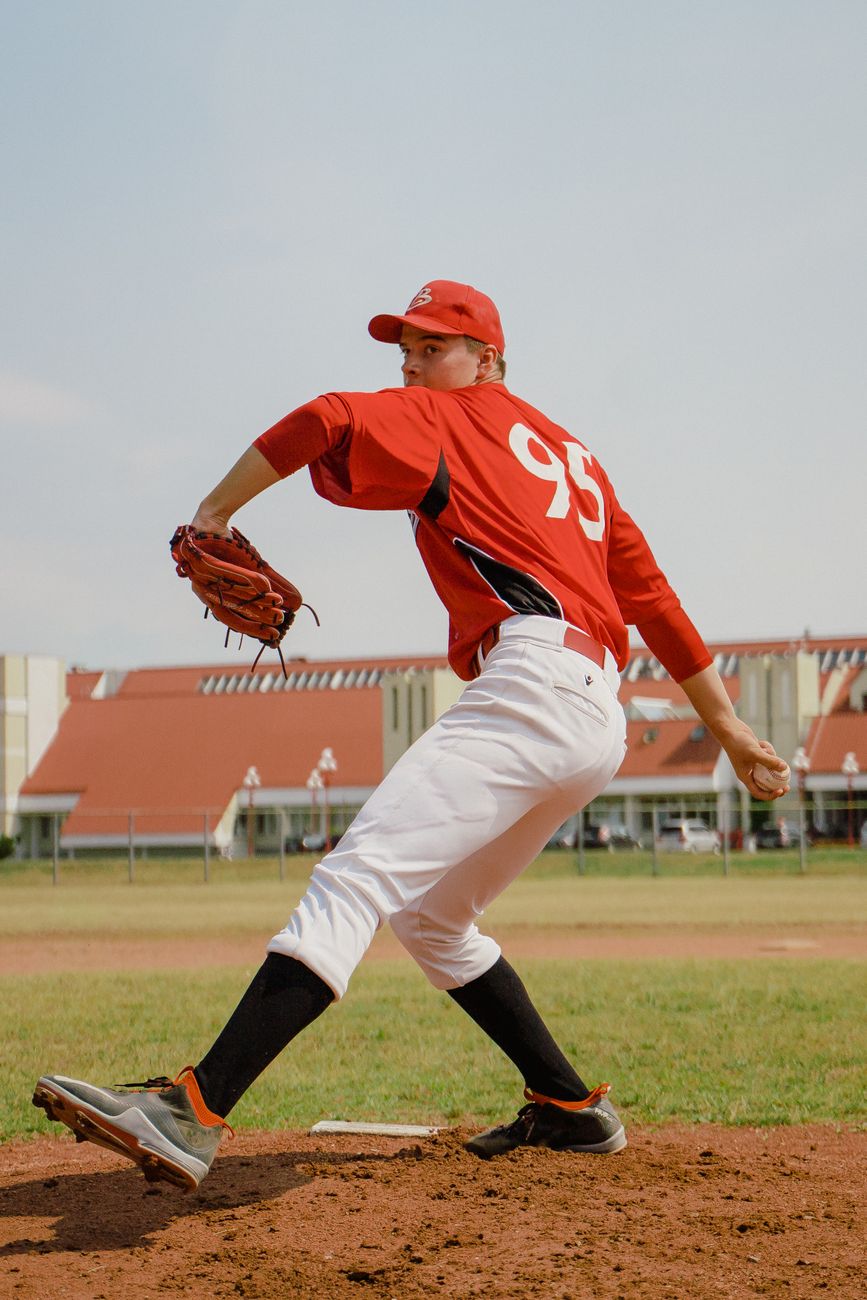
Golfer’s Elbow (Medial Epicondylitis) care in North Texas. Dr. Manoj P. Reddy evaluates and treats this condition at his Dallas, Rockwall and Garland offices.
What is golfer’s elbow?
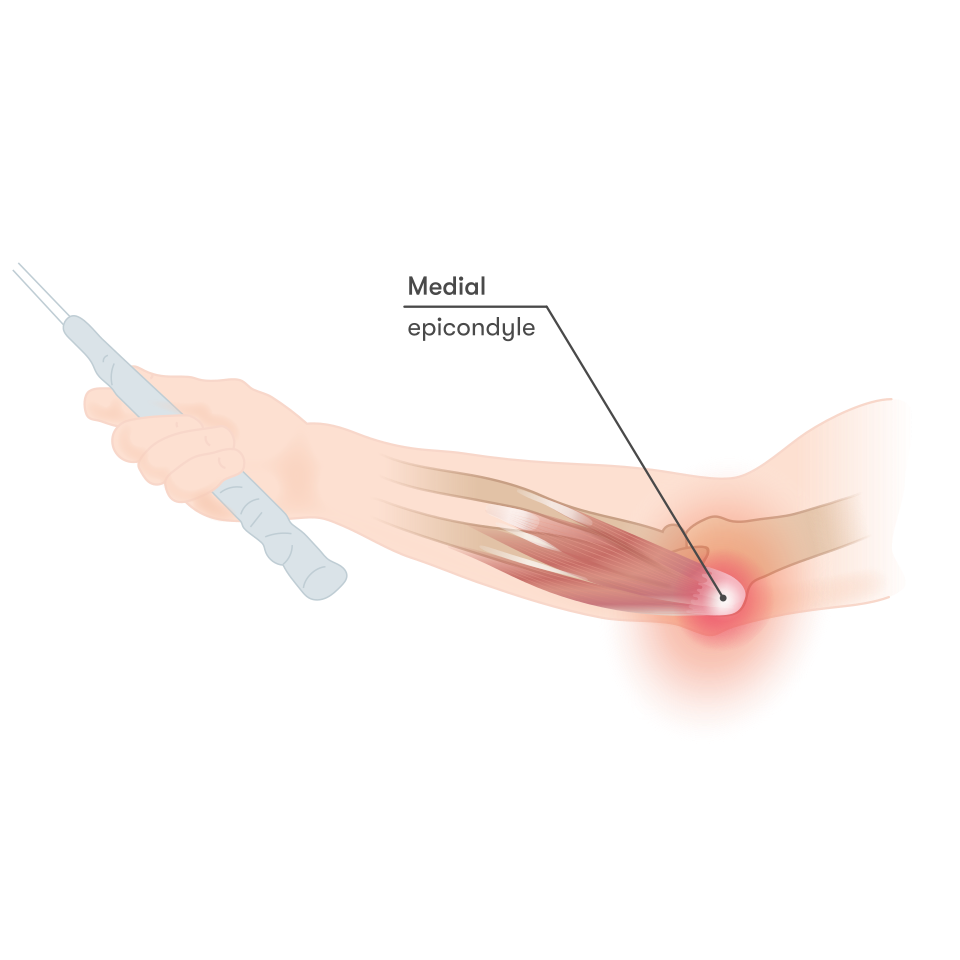
Golfer’s elbow, or medial epicondylitis, is an overuse problem of the tendon that attaches the forearm muscles to the bony bump on the inner side of the elbow. These muscles bend the wrist and turn the palm down. It is a degenerative change in the tendon rather than simple inflammation.
What causes it?
Repeated gripping, wrist bending and forearm rotation load the tendon faster than it can recover. Despite the name, it occurs with throwing, racquet sports, weight training, carpentry and other manual work as often as with golf.
What are the symptoms?
- Pain and tenderness on the inner elbow
- Pain with gripping, lifting with the palm up, or bending the wrist against resistance
- Stiffness in the morning
- Sometimes numbness in the ring and small fingers, because the ulnar nerve runs nearby
How is it diagnosed?
By examination. X-rays, ultrasound or an MRI are used when symptoms are unusual, when a ligament injury is suspected in a thrower, or when the elbow is not improving.
How is golfer’s elbow treated?
The tendon recovers best with gradually loaded, slow exercise. Treatment includes:
- Changing or reducing the activities that provoke pain
- Wrist flexor stretching and progressive strengthening
- A counterforce strap during activity
- Short-term use of ice and anti-inflammatory medication
- Injections, including PRP, in selected cases that do not improve
Download the golfer’s elbow home exercise program.
Will I need surgery?
Rarely. Most patients improve over several months. Surgery to remove the damaged tendon tissue and repair the healthy tendon is considered only when symptoms persist after many months of good non-operative care.
This page is general information, not medical advice. Recovery times are typical ranges and vary from person to person.
ELBOW CONDITIONS
All elbow topics
UCL (Tommy John) Injuries
Distal Biceps Tendon Tears
Tennis Elbow (Lateral Epicondylitis)
Golfer’s Elbow (Medial Epicondylitis)
Ulnar Nerve Problems
Elbow Fractures
AT A GLANCE
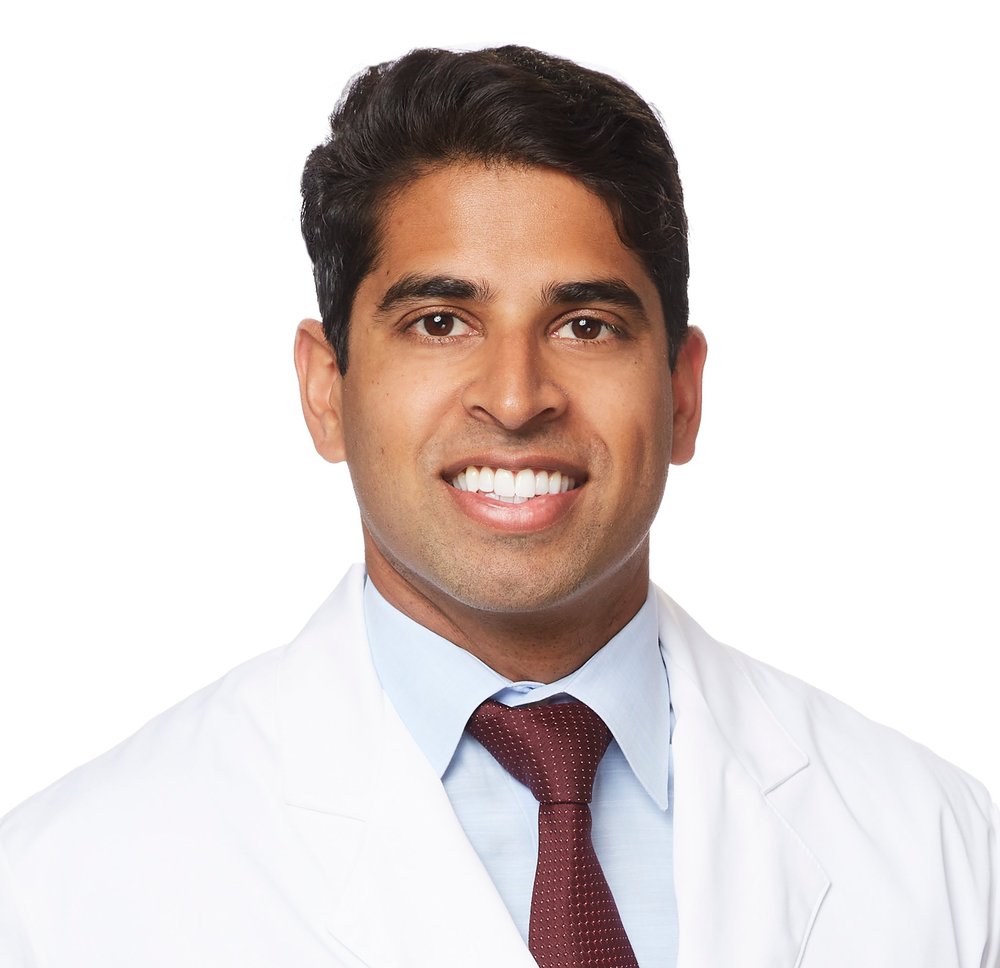
Manoj P. Reddy, MD
- Board-certified orthopaedic surgeon, fellowship-trained in sports medicine and shoulder surgery at the Rothman Orthopaedic Institute
- Orthopaedic surgery residency at the University of Chicago
- Specializes in arthroscopic, reconstructive and joint replacement surgery of the shoulder, knee and elbow
- Assistant team physician for the Philadelphia 76ers, Eagles and Phillies during fellowship; covers Rowlett, Garland and Naaman Forest high schools
- Author of 27 peer-reviewed publications in sports medicine
- Living Magazine Top Doctor, 2024

