
Ulnar Nerve Problems care in North Texas. Dr. Manoj P. Reddy evaluates and treats this condition at his Dallas, Rockwall and Garland offices.
What is the ulnar nerve?
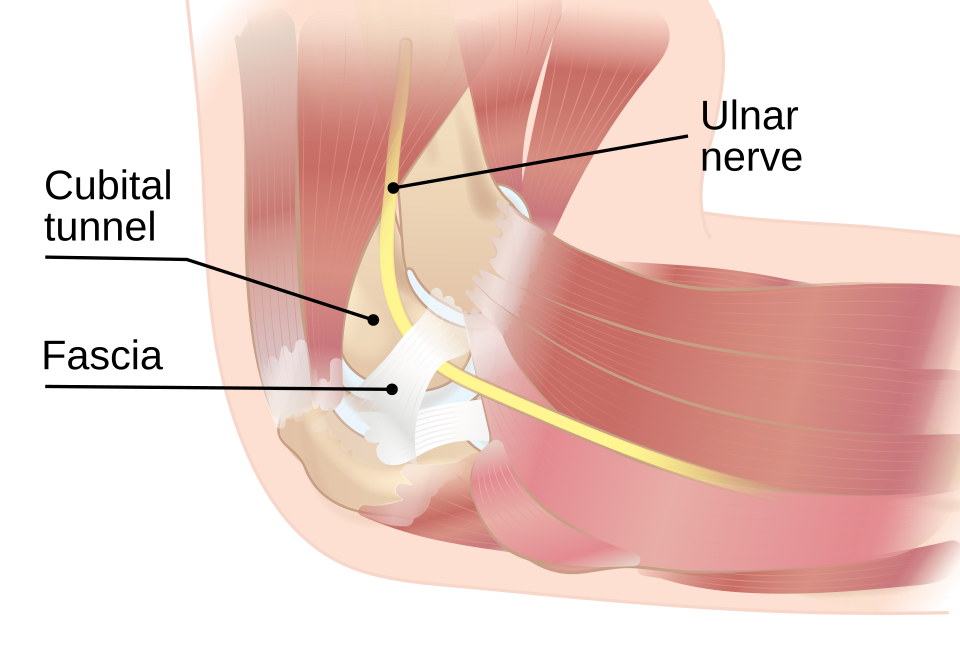
The ulnar nerve runs down the inner side of the arm and passes through a groove behind the bony bump on the inner elbow, known as the cubital tunnel. It supplies feeling to the small finger and half of the ring finger and powers many of the small muscles of the hand. Bumping it produces the familiar funny bone sensation.
What ulnar nerve problems occur at the elbow?
- Cubital tunnel syndrome: the nerve is compressed or stretched in its groove.
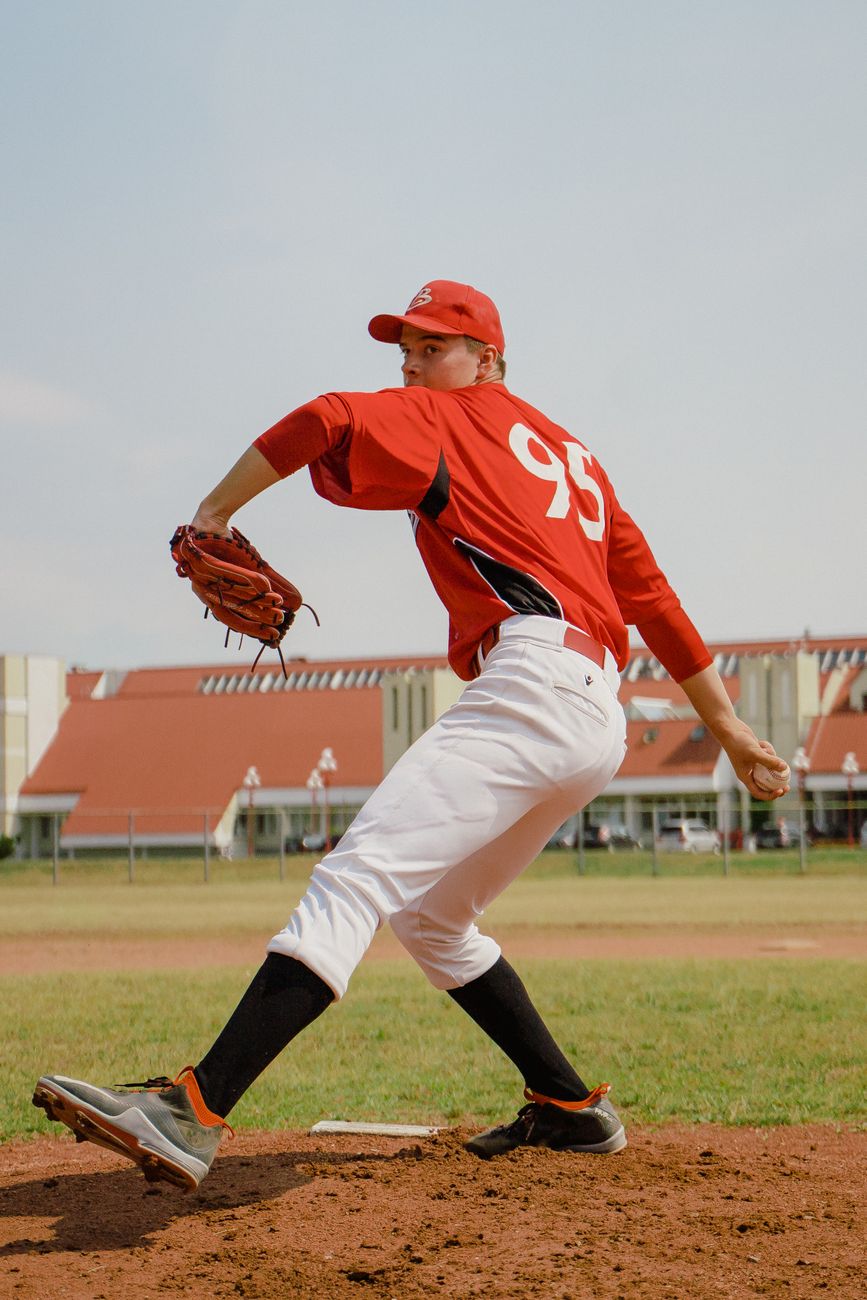
- Ulnar neuritis: irritation from repetitive stress, common in throwing athletes.
- Subluxation: the nerve slips out of its groove as the elbow bends, causing a snapping sensation.
What causes them?
Keeping the elbow bent for long periods (such as during sleep or while holding a phone), leaning on the elbow, repetitive throwing, bone spurs, previous fractures and a naturally shallow groove.
What are the symptoms?
- Numbness and tingling in the ring and small fingers, often worse at night or with the elbow bent
- Aching on the inner side of the elbow
- A snapping or popping feeling behind the inner elbow
- In more advanced cases, a weaker grip and clumsiness with fine tasks
How is it diagnosed?
By examination. Nerve conduction studies measure how well the nerve is working, and an ultrasound can show whether it slips out of its groove.
How are ulnar nerve problems treated?
Most early cases improve by avoiding prolonged elbow bending and direct pressure, using a pad or a night splint that keeps the elbow fairly straight, and, for athletes, rest from throwing followed by a graded return.
Surgery is considered when symptoms persist or when there is weakness or muscle wasting. The nerve is released from its tunnel and, when it is unstable, moved to the front of the elbow (transposition). Light use begins soon after surgery, and throwers follow a structured return program.
This page is general information, not medical advice. Recovery times are typical ranges and vary from person to person.
AT A GLANCE
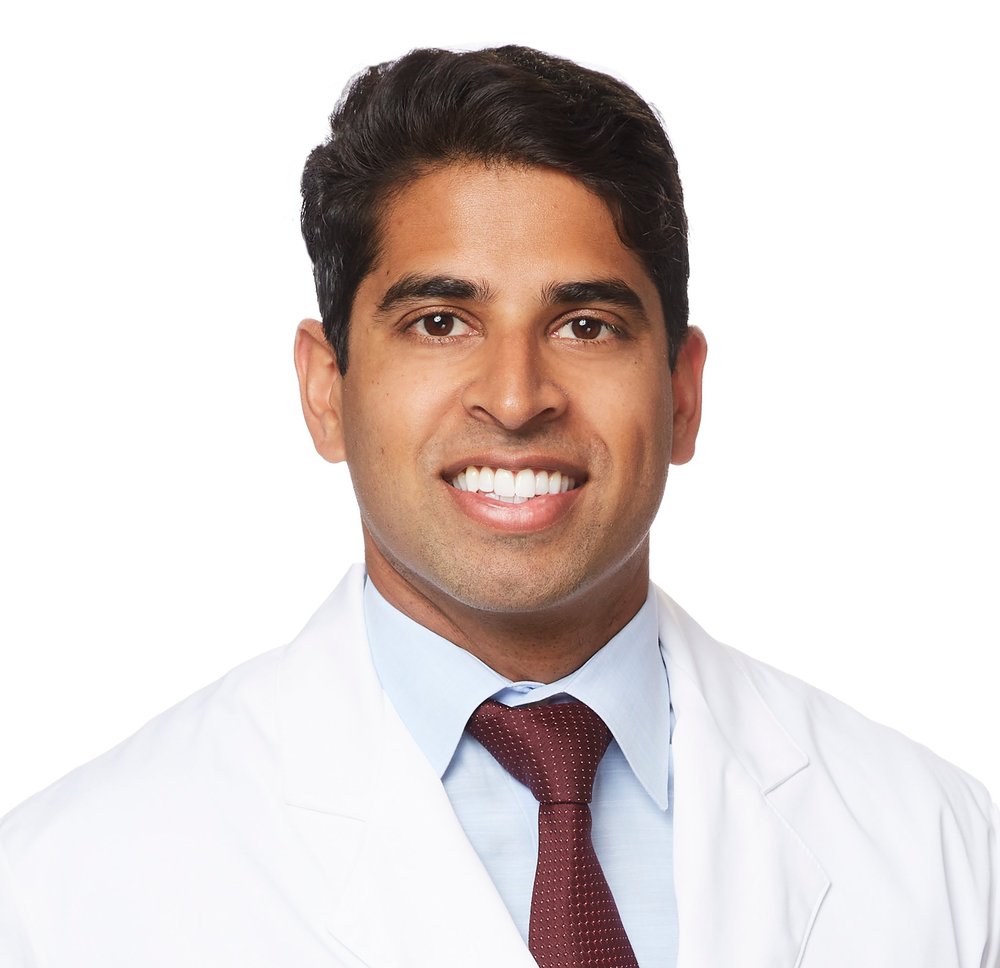
Manoj P. Reddy, MD
- Board-certified orthopaedic surgeon, fellowship-trained in sports medicine and shoulder surgery at the Rothman Orthopaedic Institute
- Orthopaedic surgery residency at the University of Chicago
- Specializes in arthroscopic, reconstructive and joint replacement surgery of the shoulder, knee and elbow
- Assistant team physician for the Philadelphia 76ers, Eagles and Phillies during fellowship; covers Rowlett, Garland and Naaman Forest high schools
- Author of 27 peer-reviewed publications in sports medicine
- Living Magazine Top Doctor, 2024

