

Cartilage Injuries care in North Texas. Dr. Manoj P. Reddy evaluates and treats this condition at his Dallas, Rockwall and Garland offices.
What is articular cartilage?
Articular cartilage is the smooth, white tissue covering the ends of the bones inside a joint. It lets the surfaces glide with very little friction. It has no blood supply, so it has almost no ability to heal on its own.
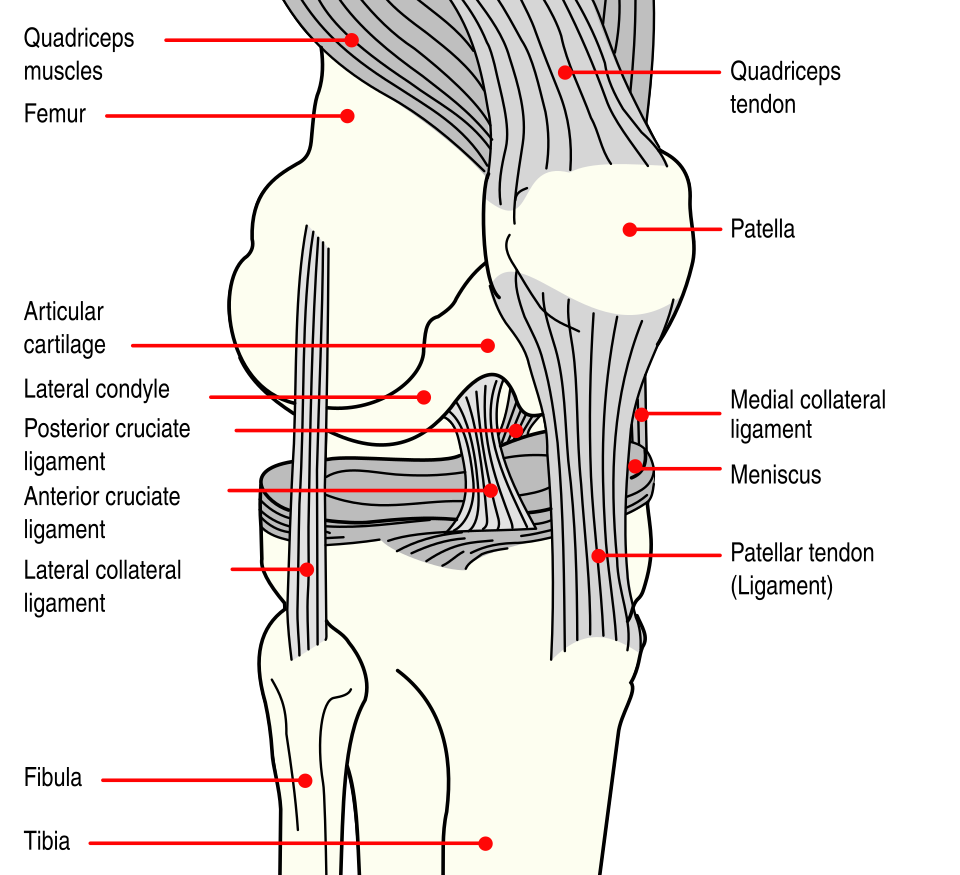
How is cartilage injured?
Cartilage can be damaged by a single injury, such as a kneecap dislocation or a ligament tear, or by repeated wear over time. A focal defect is a localized area of damage surrounded by healthy cartilage, which is different from the widespread thinning seen in arthritis.
What are the symptoms?
- Pain with weight bearing, stairs or squatting
- Swelling after activity
- Catching or locking if a fragment is loose in the joint
How is it diagnosed?
An examination and X-rays, including views that show the alignment of the leg, are followed by an MRI to define the size, depth and location of the defect. The condition of the meniscus and ligaments and the alignment of the leg all affect the plan.
What are the non-surgical options?
Activity modification, physical therapy, weight management, bracing and injections can control symptoms, especially for smaller lesions.
What are the surgical options?
Cartilage restoration is aimed at younger, active patients with focal defects, not at generalized arthritis.
- MACI: a small sample of your own cartilage cells is grown in a laboratory and implanted on a membrane into the defect in a second procedure.
- Osteochondral allograft: a plug of donor bone and cartilage is matched to the defect and transplanted, which suits larger or deeper lesions.
- Osteotomy: when the leg is bow-legged or knock-kneed, realigning the bone can unload the damaged area and protect the repair.
What is recovery like?
Recovery is longer than for most arthroscopic surgery because the new tissue must mature. Weight bearing is usually protected for about six weeks, with a gradual return to impact activity over nine to twelve months or more.
This page is general information, not medical advice. Recovery times are typical ranges and vary from person to person.
AT A GLANCE
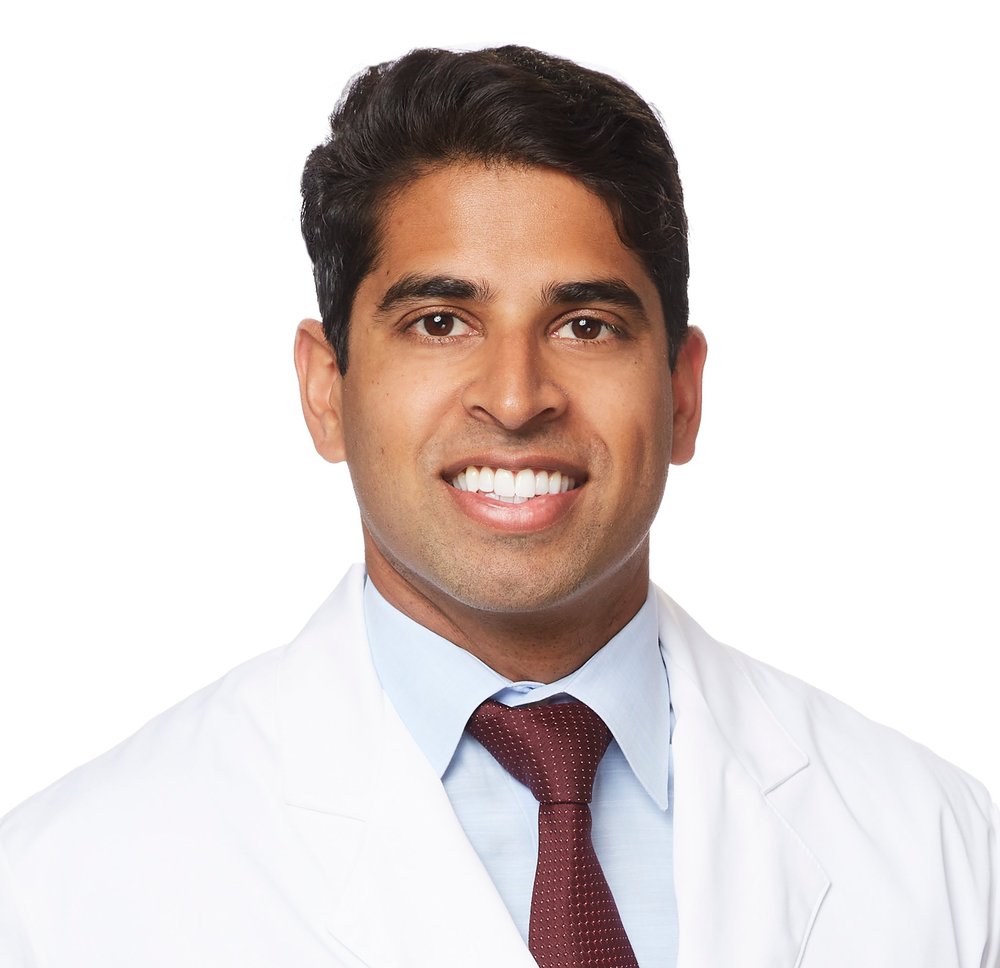
Manoj P. Reddy, MD
- Board-certified orthopaedic surgeon, fellowship-trained in sports medicine and shoulder surgery at the Rothman Orthopaedic Institute
- Orthopaedic surgery residency at the University of Chicago
- Specializes in arthroscopic, reconstructive and joint replacement surgery of the shoulder, knee and elbow
- Assistant team physician for the Philadelphia 76ers, Eagles and Phillies during fellowship; covers Rowlett, Garland and Naaman Forest high schools
- Author of 27 peer-reviewed publications in sports medicine
- Living Magazine Top Doctor, 2024

