
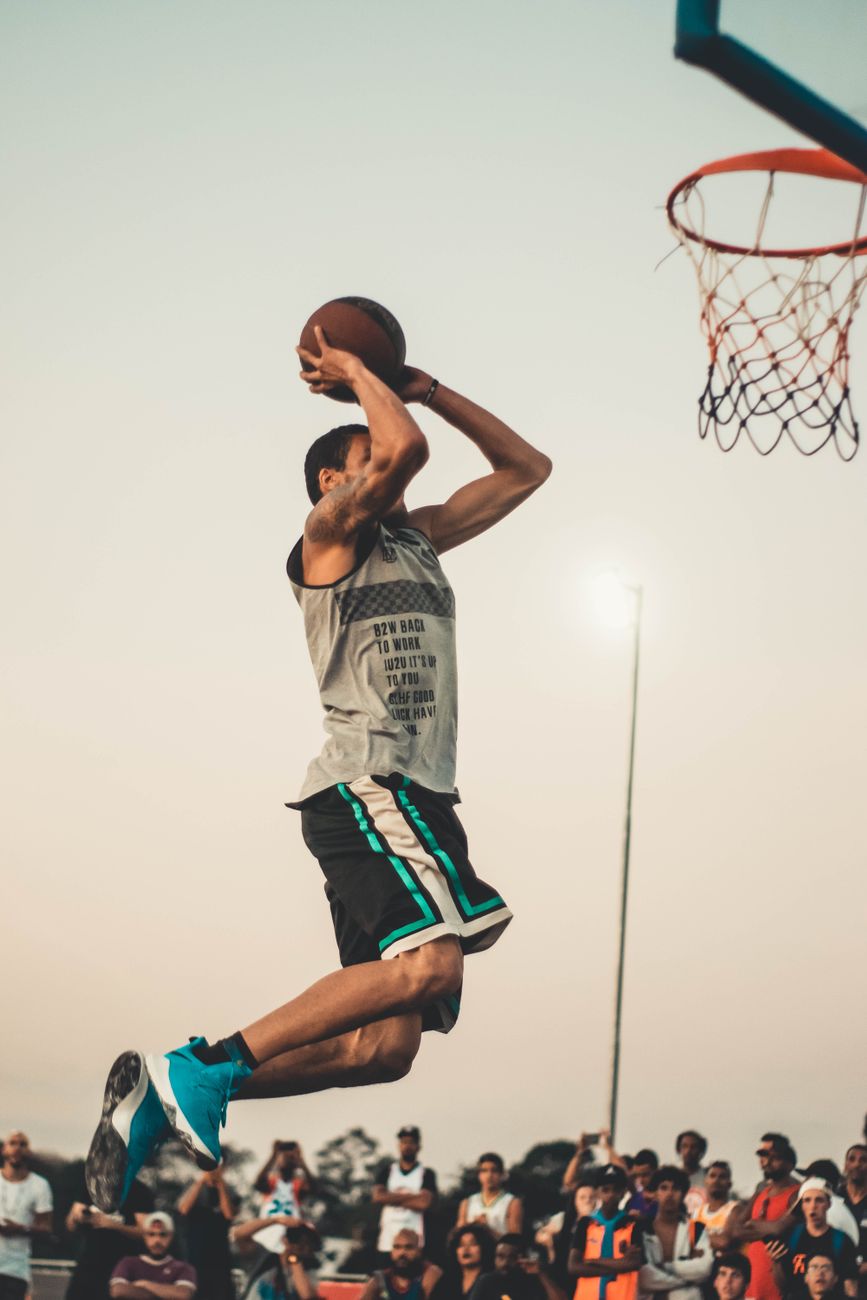
Knee Malalignment care in North Texas. Dr. Manoj P. Reddy evaluates and treats this condition at his Dallas, Rockwall and Garland offices.
What is knee malalignment?
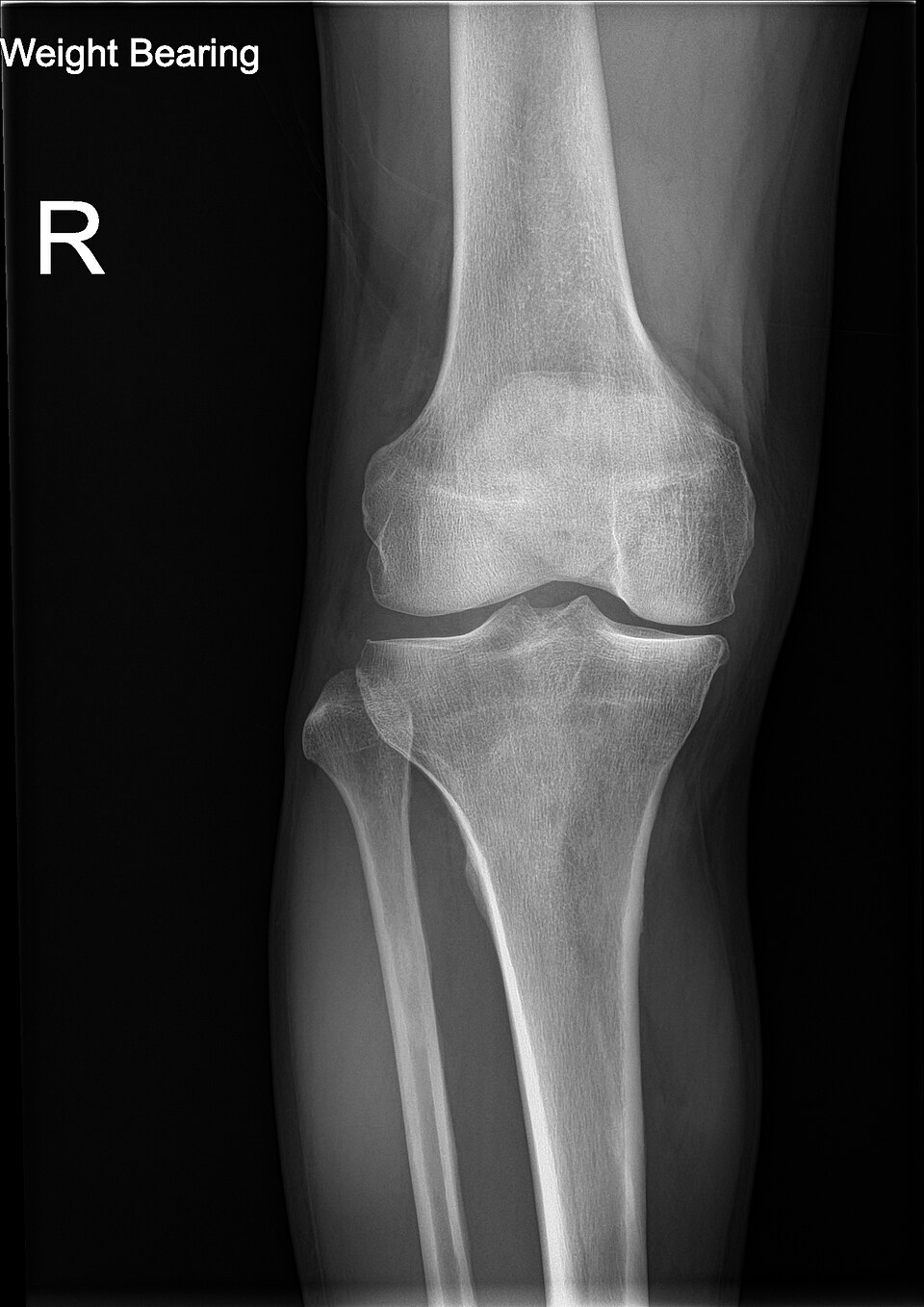
In a well-aligned leg, body weight passes close to the center of the knee. In a bow-legged (varus) knee the load shifts to the inner compartment; in a knock-kneed (valgus) knee it shifts to the outer compartment. Malalignment can also involve rotation of the bones or the tracking of the kneecap.
What causes it?
- The shape of the bones you were born with
- Wear of cartilage or loss of meniscus on one side, which lets the joint tilt further
- A previous fracture or growth plate injury
- Ligament injuries that allow the knee to drift
Why does alignment matter?
An overloaded compartment wears faster, and the extra load can compromise the result of a cartilage repair, meniscus transplant or ligament reconstruction. For that reason alignment is checked before those procedures and corrected when needed.
What are the symptoms?
- Pain on the overloaded side of the knee
- A visible bow-legged or knock-kneed shape, sometimes worsening over time
- A feeling of the knee thrusting outward or inward when walking
How is it diagnosed?
With full-length standing X-rays from hip to ankle, which measure where the load passes through the knee. An MRI assesses the cartilage and menisci.
How is malalignment treated?
Mild symptoms are managed with strengthening, weight management, activity changes and sometimes an unloader brace.
An osteotomy corrects the alignment itself. The bone is cut, realigned and held with a plate so load shifts to the healthier side of the joint. A high tibial osteotomy is the most common type for a bow-legged knee; a distal femoral osteotomy is typically used for a knock-kneed knee.
What is recovery like?
Weight bearing is protected while the bone heals, usually about six to eight weeks, followed by progressive strengthening. Return to higher-level activity generally takes four to six months.
This page is general information, not medical advice. Recovery times are typical ranges and vary from person to person.
AT A GLANCE
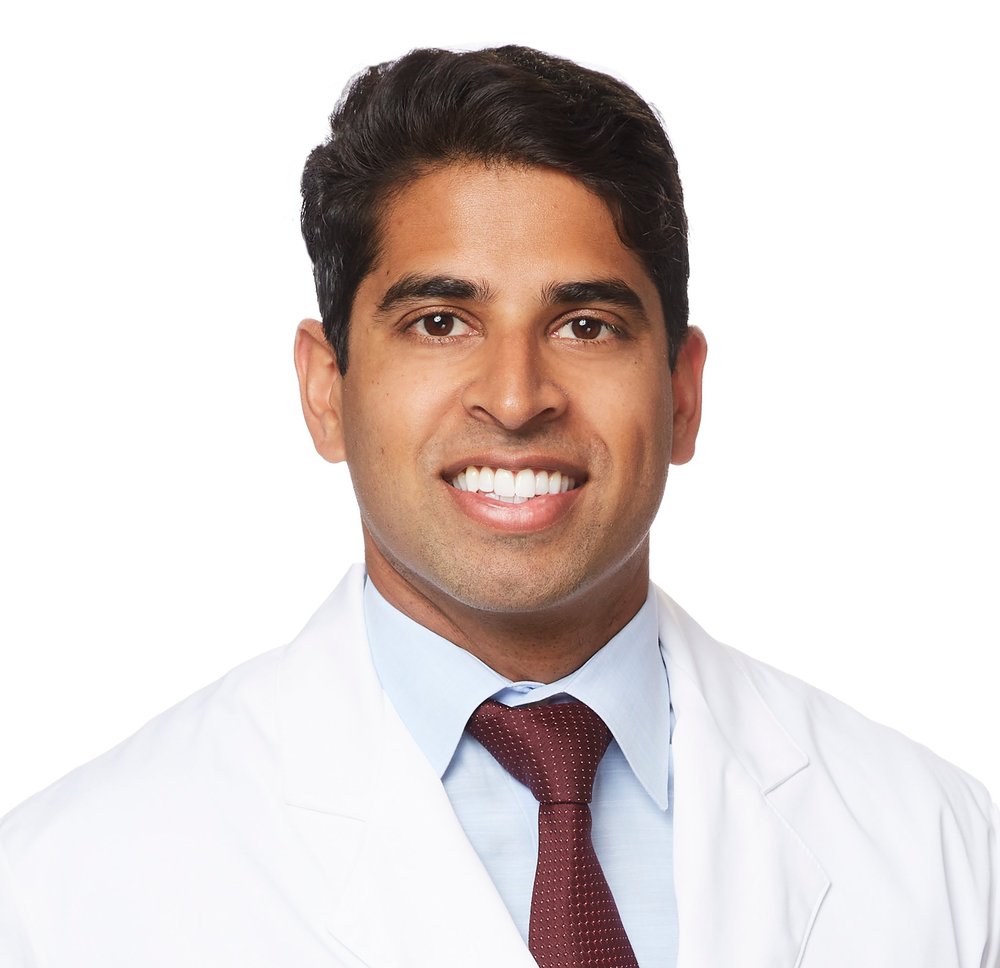
Manoj P. Reddy, MD
- Board-certified orthopaedic surgeon, fellowship-trained in sports medicine and shoulder surgery at the Rothman Orthopaedic Institute
- Orthopaedic surgery residency at the University of Chicago
- Specializes in arthroscopic, reconstructive and joint replacement surgery of the shoulder, knee and elbow
- Assistant team physician for the Philadelphia 76ers, Eagles and Phillies during fellowship; covers Rowlett, Garland and Naaman Forest high schools
- Author of 27 peer-reviewed publications in sports medicine
- Living Magazine Top Doctor, 2024

