

Frozen Shoulder Treatment in North Texas. Dr. Manoj P. Reddy offers this treatment at his Dallas, Rockwall and Garland offices.
How is frozen shoulder treated?
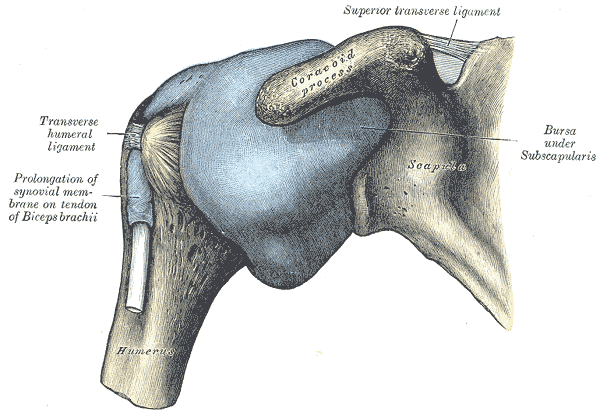
Care begins with gentle home stretching, physical therapy and a steroid injection into the joint, which is most effective in the early painful stage.
When is surgery considered?
Rarely, and only if the shoulder has not improved after about 6 to 12 months of good treatment. Options are a manipulation under anesthesia or an arthroscopic release of the tight capsule.
How is it performed?
An injection is given into the joint in the office, often with ultrasound guidance. If surgery is needed, a camera is placed in the joint and the thickened capsule is carefully released; the shoulder is then gently moved through its full range while you are asleep.
What is recovery like?
Intensive physical therapy starts immediately after surgery to keep the motion that was gained.
How long does treatment take?
Frozen shoulder runs its course over many months, and treatment aims to control pain and restore motion sooner. Most patients notice less pain within a few weeks of an injection, and motion improves gradually with daily stretching. Complete recovery commonly takes a year or more.
What can I do at home?
Use heat before stretching, stretch gently several times a day to a mild pull and never to sharp pain, and keep using the arm for everyday tasks within comfort. Download the frozen shoulder home exercise program.
What are the risks?
Risks of an injection include a temporary pain flare and a short-term rise in blood sugar in people with diabetes. Risks of a release include recurrent stiffness and, rarely, fracture or nerve injury. As with any operation, there are risks of infection, bleeding, blood clots, stiffness, nerve or blood vessel injury and problems with anesthesia. These are uncommon, and steps are taken before, during and after surgery to lower them.
This page is general information, not medical advice. Recovery times are typical ranges and vary from person to person.
SHOULDER TREATMENTS
All shoulder topics
Shoulder Arthroscopy
Rotator Cuff Repair and Revision
Arthroscopic Shoulder Stabilization
Latarjet Procedure
Labral and SLAP Repair
Biceps Tenodesis
Total and Reverse Shoulder Replacement
AC Joint Repair and Reconstruction
Clavicle Fracture Repair
Fracture Repair
Pectoralis Major Tendon Repair
Frozen Shoulder Treatment
Injections
AT A GLANCE
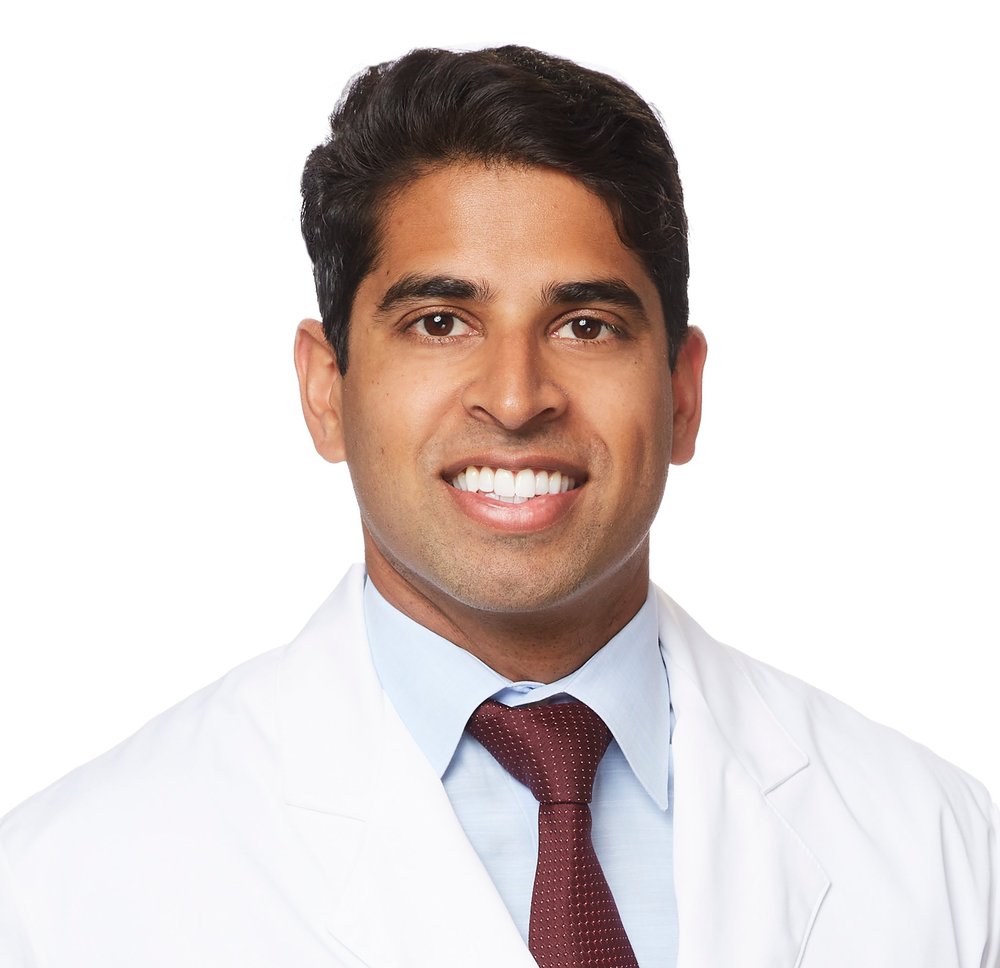
Manoj P. Reddy, MD
- Board-certified orthopaedic surgeon, fellowship-trained in sports medicine and shoulder surgery at the Rothman Orthopaedic Institute
- Orthopaedic surgery residency at the University of Chicago
- Specializes in arthroscopic, reconstructive and joint replacement surgery of the shoulder, knee and elbow
- Assistant team physician for the Philadelphia 76ers, Eagles and Phillies during fellowship; covers Rowlett, Garland and Naaman Forest high schools
- Author of 27 peer-reviewed publications in sports medicine
- Living Magazine Top Doctor, 2024

