

Pectoralis Major Tendon Repair in North Texas. Dr. Manoj P. Reddy offers this treatment at his Dallas, Rockwall and Garland offices.
What is a pectoralis major tendon repair?
The torn tendon is reattached to the upper arm bone through an incision near the armpit.
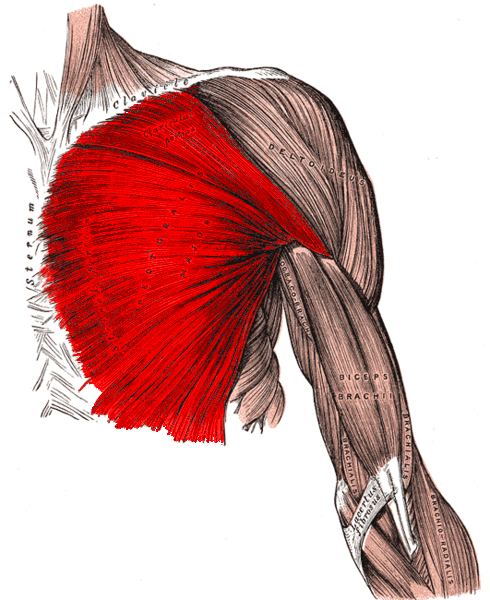
Who is a candidate for pectoralis major tendon repair?
Complete tears in active patients, ideally within the first few weeks after injury.
How is the procedure performed?
Through an incision near the front of the armpit, the retracted tendon is found, freed and reattached to the upper arm bone using anchors, buttons or bone tunnels with strong suture.
What is recovery like?
A sling for about 6 weeks, then gradual motion and strengthening. Heavy lifting, including bench press, is typically delayed for about 6 months.
How do I prepare for surgery?
Before surgery you will receive instructions on medications to stop, when to stop eating and drinking, and skin preparation. Arrange for an adult to drive you home and stay with you the first night, and schedule your first physical therapy visit in advance when one is planned. Read the pre-op instructions.
Can an older tear still be repaired?
Often, yes, although it is more difficult. With time the tendon retracts and scars to the chest wall. Tears that are several months old may need more extensive release, and some need a tendon graft to bridge the gap. Results are best when repair is done within the first few weeks.
When can I drive, work and return to lifting?
Driving resumes after the sling comes off at about six weeks. Desk work is often possible within one to two weeks. Light weight training usually begins at three to four months, and heavy pressing movements, including bench press, at about six months. See the rehabilitation protocols.
What are the risks?
Specific risks include re-tear, stiffness, and a visible scar or some remaining change in the contour of the chest. As with any operation, there are risks of infection, bleeding, blood clots, stiffness, nerve or blood vessel injury and problems with anesthesia. These are uncommon, and steps are taken before, during and after surgery to lower them.
This page is general information, not medical advice. Recovery times are typical ranges and vary from person to person.
SHOULDER TREATMENTS
All shoulder topics
Shoulder Arthroscopy
Rotator Cuff Repair and Revision
Arthroscopic Shoulder Stabilization
Latarjet Procedure
Labral and SLAP Repair
Biceps Tenodesis
Total and Reverse Shoulder Replacement
AC Joint Repair and Reconstruction
Clavicle Fracture Repair
Fracture Repair
Pectoralis Major Tendon Repair
Frozen Shoulder Treatment
Injections
AT A GLANCE
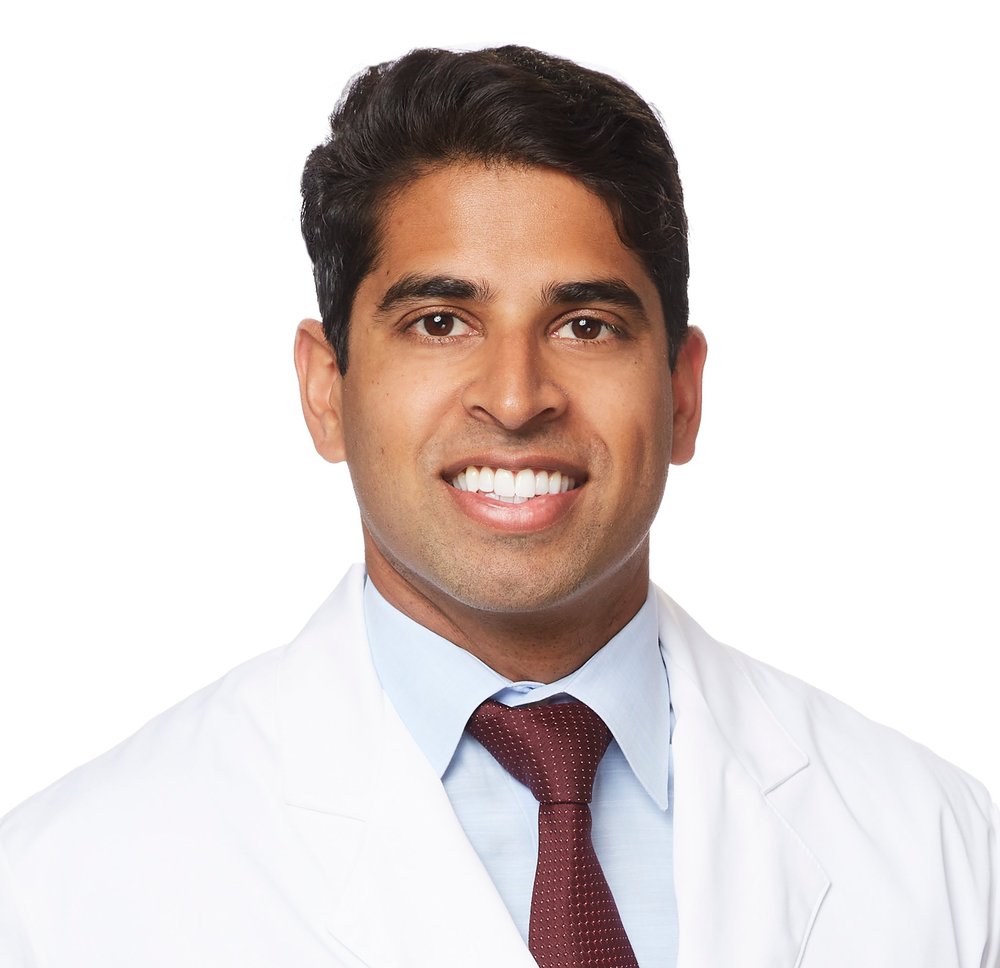
Manoj P. Reddy, MD
- Board-certified orthopaedic surgeon, fellowship-trained in sports medicine and shoulder surgery at the Rothman Orthopaedic Institute
- Orthopaedic surgery residency at the University of Chicago
- Specializes in arthroscopic, reconstructive and joint replacement surgery of the shoulder, knee and elbow
- Assistant team physician for the Philadelphia 76ers, Eagles and Phillies during fellowship; covers Rowlett, Garland and Naaman Forest high schools
- Author of 27 peer-reviewed publications in sports medicine
- Living Magazine Top Doctor, 2024

