

Rotator Cuff Repair in North Texas. Dr. Manoj P. Reddy offers this treatment at his Dallas, Rockwall and Garland offices.
What is a rotator cuff repair?
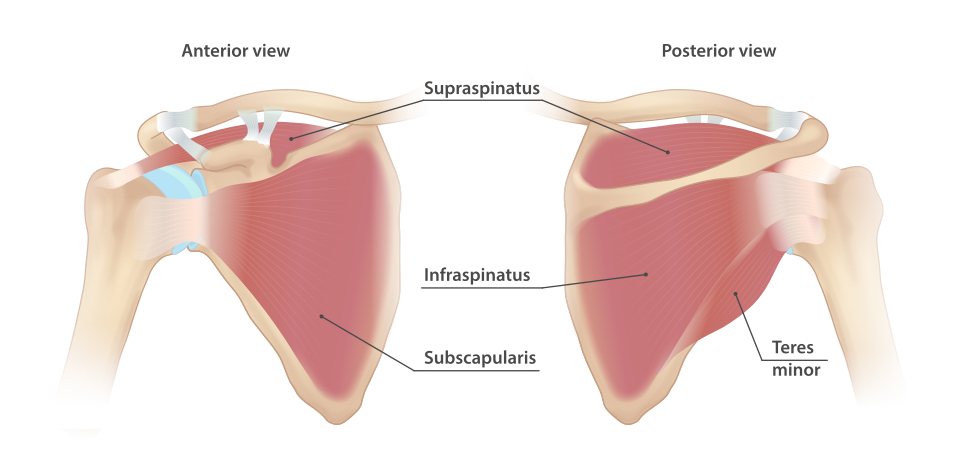
The torn tendon is sewn back to the bone using small anchors, almost always arthroscopically. Revision repair addresses tendons that did not heal or have torn again.
Who is a candidate for rotator cuff repair?
Acute tears, larger tears, and tears that stay painful or weak after non-operative treatment.
How is the procedure performed?
Working through small incisions with a camera, the surgeon cleans the area of bone where the tendon attaches, places small anchors into the bone and passes the attached sutures through the tendon to hold it down while it heals. Bone spurs are smoothed and the biceps tendon is treated at the same time if needed.
What is recovery like?
A sling with a pillow for about 6 weeks, passive therapy first, active motion from about 6 weeks and strengthening from about 12 weeks. Strength keeps improving for 6 to 12 months.
How do I prepare for surgery?
Before surgery you will receive instructions on medications to stop, when to stop eating and drinking, and skin preparation. Arrange for an adult to drive you home and stay with you the first night, and schedule your first physical therapy visit in advance when one is planned. Read the pre-op instructions.
Are all tears repaired the same way?
No. Small tears may be held with one or two anchors; larger tears are repaired in two rows to press the tendon flat against the bone. Tears that are very large, retracted or of poor quality may be partially repaired, reinforced with a patch, or treated with a tendon transfer or a reverse shoulder replacement instead. The plan is based on your MRI and what is found at surgery.
When can I drive, work and return to sport?
Driving resumes once you are out of the sling, usually at about six weeks. Desk work is often possible within one to two weeks using one hand. Lifting, overhead and manual work usually takes four to six months. Golf and similar activities generally resume at four to six months and heavy overhead sport later.
How successful is rotator cuff repair?
Most patients have substantially less pain and better function after recovery. Healing of the tendon is most reliable in smaller tears and in younger patients who do not smoke. Even when a large tear does not heal completely, many patients are still improved. See the rehabilitation protocols.
What are the risks?
The main specific risks are the tendon not healing or tearing again, which is more likely with large tears, older age and smoking, and stiffness. As with any operation, there are risks of infection, bleeding, blood clots, stiffness, nerve or blood vessel injury and problems with anesthesia. These are uncommon, and steps are taken before, during and after surgery to lower them.
Read the rotator cuff repair FAQ →
This page is general information, not medical advice. Recovery times are typical ranges and vary from person to person.
SHOULDER TREATMENTS
All shoulder topics
Shoulder Arthroscopy
Rotator Cuff Repair and Revision
Arthroscopic Shoulder Stabilization
Latarjet Procedure
Labral and SLAP Repair
Biceps Tenodesis
Total and Reverse Shoulder Replacement
AC Joint Repair and Reconstruction
Clavicle Fracture Repair
Fracture Repair
Pectoralis Major Tendon Repair
Frozen Shoulder Treatment
Injections
AT A GLANCE
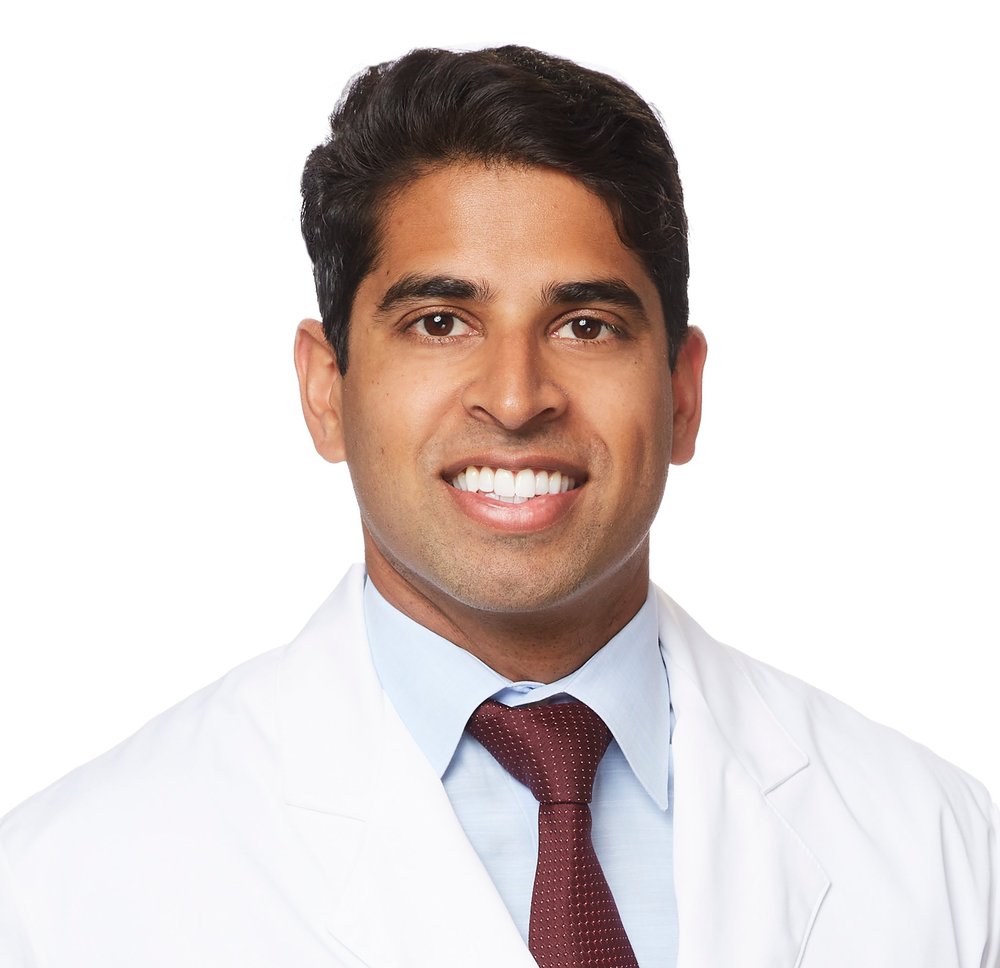
Manoj P. Reddy, MD
- Board-certified orthopaedic surgeon, fellowship-trained in sports medicine and shoulder surgery at the Rothman Orthopaedic Institute
- Orthopaedic surgery residency at the University of Chicago
- Specializes in arthroscopic, reconstructive and joint replacement surgery of the shoulder, knee and elbow
- Assistant team physician for the Philadelphia 76ers, Eagles and Phillies during fellowship; covers Rowlett, Garland and Naaman Forest high schools
- Author of 27 peer-reviewed publications in sports medicine
- Living Magazine Top Doctor, 2024

