

Biceps Tendon Injuries care in North Texas. Dr. Manoj P. Reddy evaluates and treats this condition at his Dallas, Rockwall and Garland offices.
What is the biceps tendon?
The biceps muscle has two tendons at the shoulder. The long head runs through a groove at the front of the upper arm bone, enters the joint and attaches to the top of the socket at the labrum. This long head is the one most often involved in shoulder pain.
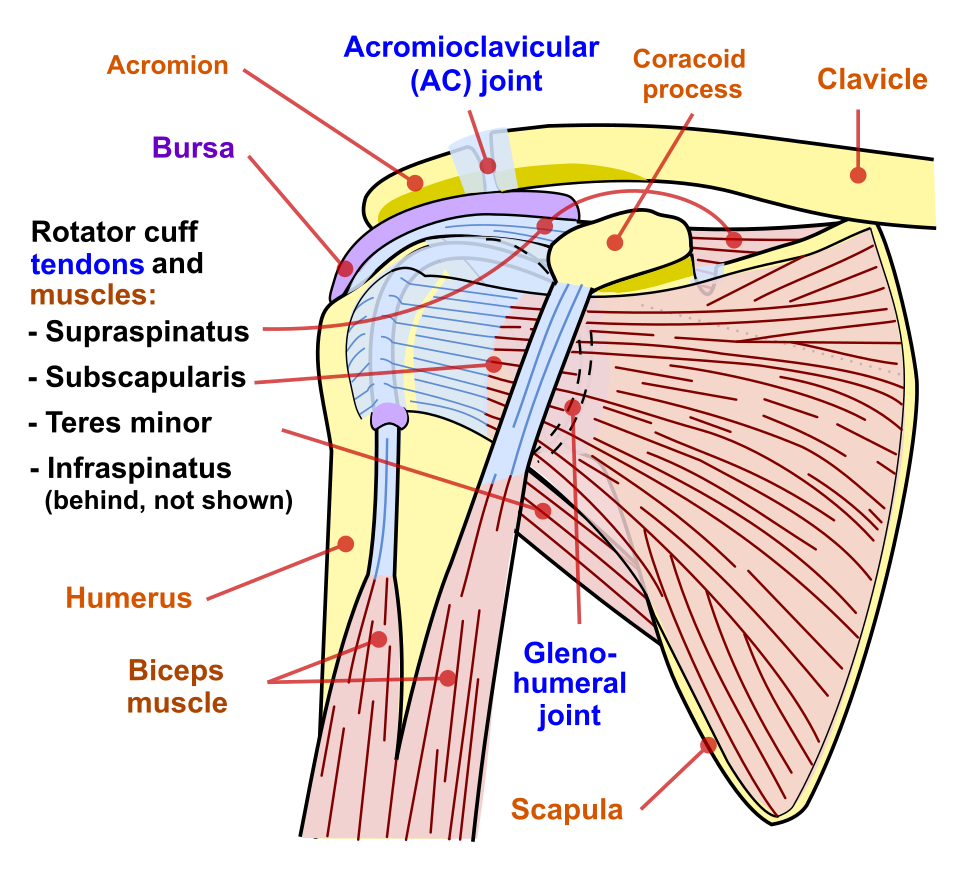
What kinds of biceps tendon problems occur?
- Tendinitis: irritation and inflammation of the tendon in its groove
- Partial tears and fraying, often alongside rotator cuff tears
- Instability: the tendon slips out of its groove, usually with a tear of the subscapularis tendon
- Rupture: the tendon tears completely and retracts down the arm
What causes them?
Repetitive overhead activity, lifting, age-related wear and other shoulder problems such as impingement and rotator cuff tears. A rupture can follow a sudden lift or occur with little force in a tendon that is already worn.
What are the symptoms?
- Pain at the front of the shoulder that may travel down the arm
- Pain with lifting, pulling and overhead reaching
- Clicking or snapping at the front of the shoulder
- After a rupture: a sudden pop, bruising and a bulge in the lower part of the upper arm
How is it diagnosed?
By examination, with an ultrasound or MRI to assess the tendon, the rotator cuff and the labrum.
How are biceps tendon injuries treated?
Most improve with rest from aggravating activity, anti-inflammatory medication, physical therapy and, when needed, an injection around the tendon. A rupture of the long head usually causes only a small loss of strength, and many patients choose non-operative care.
When pain persists, a biceps tenodesis releases the damaged tendon from inside the joint and reattaches it to the upper arm bone. The arm is protected in a sling for a few weeks, and resisted bending of the elbow is limited while the tendon heals.
This page is general information, not medical advice. Recovery times are typical ranges and vary from person to person.
AT A GLANCE
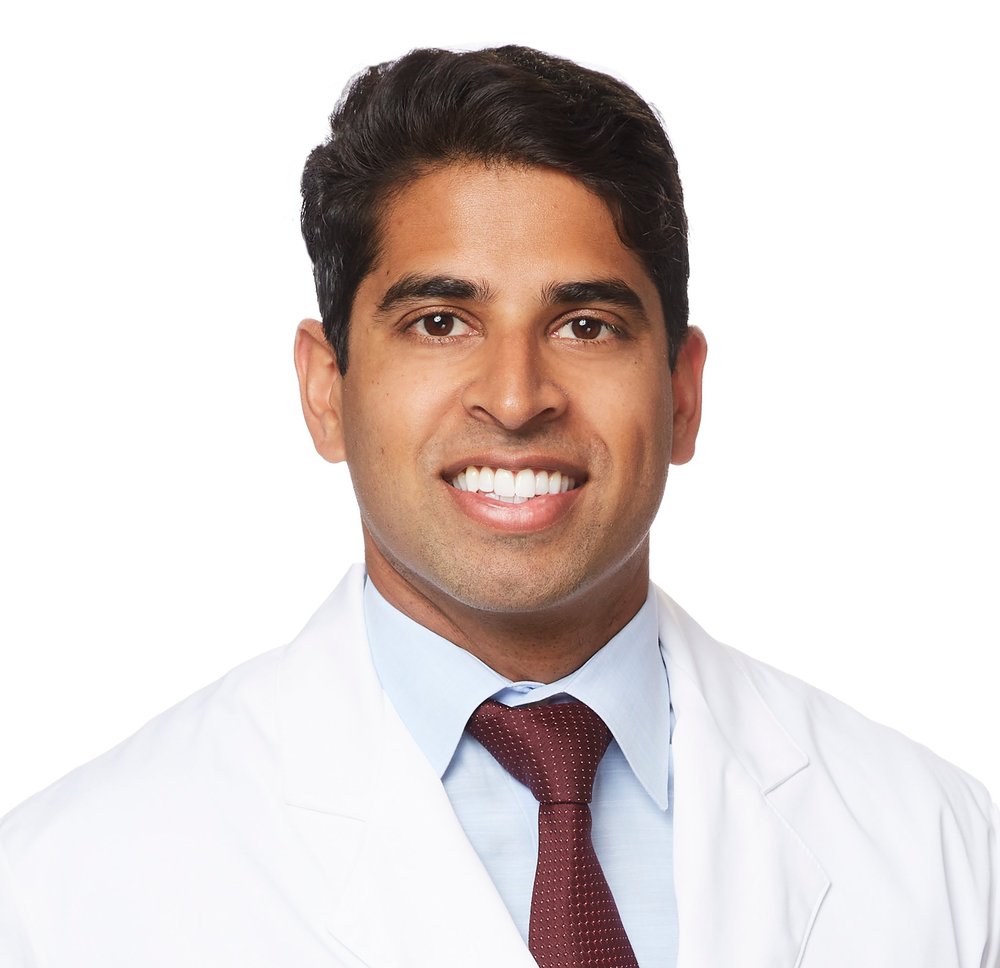
Manoj P. Reddy, MD
- Board-certified orthopaedic surgeon, fellowship-trained in sports medicine and shoulder surgery at the Rothman Orthopaedic Institute
- Orthopaedic surgery residency at the University of Chicago
- Specializes in arthroscopic, reconstructive and joint replacement surgery of the shoulder, knee and elbow
- Assistant team physician for the Philadelphia 76ers, Eagles and Phillies during fellowship; covers Rowlett, Garland and Naaman Forest high schools
- Author of 27 peer-reviewed publications in sports medicine
- Living Magazine Top Doctor, 2024

