

Throwing Shoulder Injuries care in North Texas. Dr. Manoj P. Reddy evaluates and treats this condition at his Dallas, Rockwall and Garland offices.
Why is the throwing shoulder prone to injury?
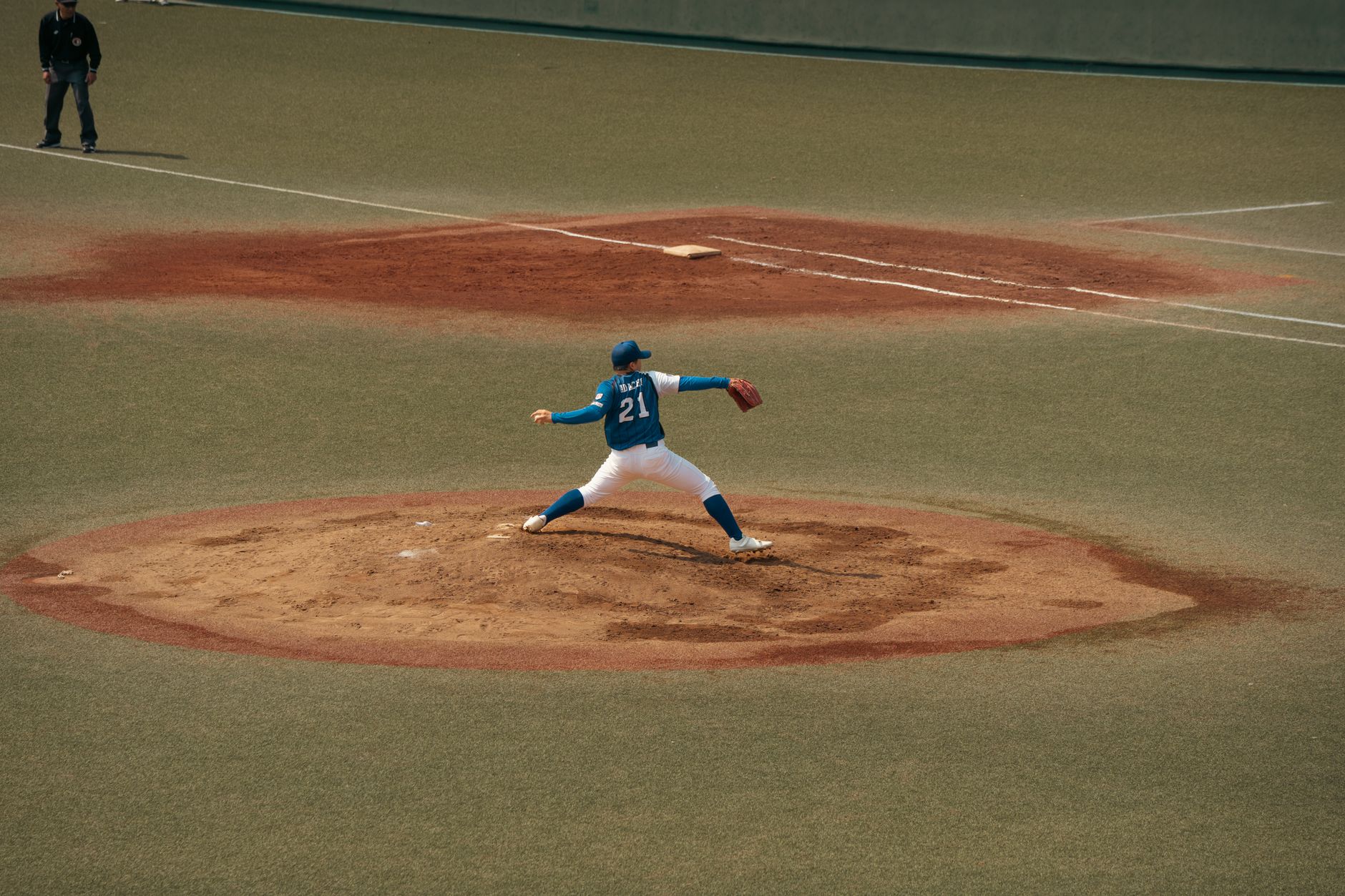
Throwing is one of the fastest movements in sport. To generate velocity, the shoulder rotates outward well beyond its normal range and is then decelerated in a fraction of a second. Repeating this thousands of times places heavy loads on the labrum, rotator cuff and capsule.
What injuries do throwers get?
- SLAP tears of the top of the labrum
- Partial rotator cuff tears on the underside of the tendon
- Internal impingement, where the cuff is pinched against the back of the socket in the cocked position
- Loss of internal rotation (GIRD) from tightness at the back of the shoulder
- Shoulder blade dysfunction that changes how the joint is loaded
- Growth plate irritation (Little League shoulder) in younger athletes
What are the symptoms?
- Pain at the back or deep in the shoulder during late cocking or follow-through
- Loss of velocity, control or endurance
- A dead-arm feeling after throwing
- Stiffness and slower recovery between outings
How is it diagnosed?
With a history of the athlete’s throwing volume and mechanics, an examination of shoulder motion, strength and shoulder blade control, and often an assessment of the hips and trunk. An MRI is used when a structural injury is suspected.
How are throwing shoulder injuries treated?
Most improve without surgery. Treatment includes a period of rest from throwing, stretching for the back of the shoulder, strengthening of the rotator cuff, shoulder blade muscles, core and hips, and attention to mechanics and workload. A graded interval throwing program then guides the return to competition.
Surgery is reserved for athletes with a defined structural injury who do not improve after a full course of rehabilitation. Return to throwing after surgery is gradual and typically takes many months.
Can these injuries be prevented?
Managing pitch counts and rest days, avoiding year-round throwing, keeping shoulder flexibility and strength through the season, and addressing pain early all lower the risk.
This page is general information, not medical advice. Recovery times are typical ranges and vary from person to person.

AT A GLANCE
Manoj P. Reddy, MD
- Board-certified orthopaedic surgeon, fellowship-trained in sports medicine and shoulder surgery at the Rothman Orthopaedic Institute
- Orthopaedic surgery residency at the University of Chicago
- Specializes in arthroscopic, reconstructive and joint replacement surgery of the shoulder, knee and elbow
- Assistant team physician for the Philadelphia 76ers, Eagles and Phillies during fellowship; covers Rowlett, Garland and Naaman Forest high schools
- Author of 27 peer-reviewed publications in sports medicine
- Living Magazine Top Doctor, 2024

