

Shoulder Impingement care in North Texas. Dr. Manoj P. Reddy evaluates and treats this condition at his Dallas, Rockwall and Garland offices.
What is shoulder impingement?
Impingement describes irritation of the rotator cuff tendons and the bursa above them as they pass through the narrow space beneath the roof of the shoulder (the acromion). It is also called rotator cuff tendinopathy or subacromial bursitis, and it is one of the most common causes of shoulder pain.
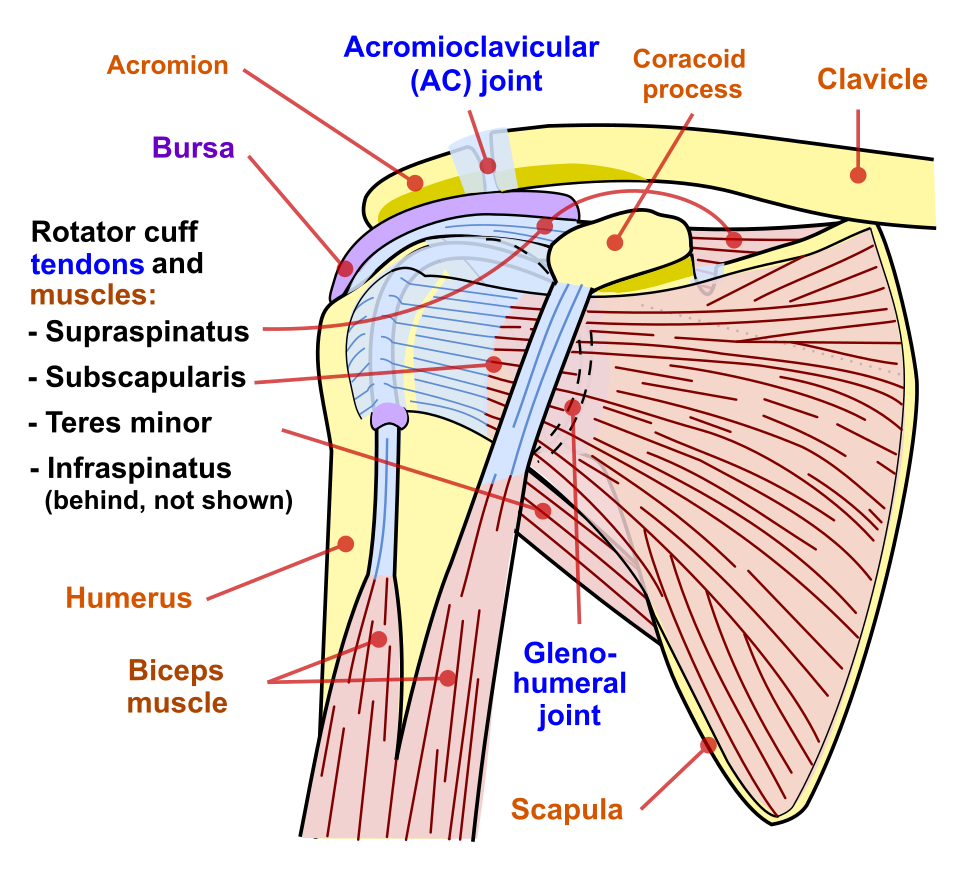
What causes impingement?
- Repetitive overhead work or sport, such as painting, swimming, tennis and throwing
- Weakness or poor control of the rotator cuff and shoulder blade muscles
- Rounded posture and tightness at the back of the shoulder
- Age-related changes in the tendons
- Bone spurs beneath the acromion or at the AC joint
What are the symptoms?
- Pain on the outside of the shoulder and upper arm
- Pain reaching overhead, out to the side or behind the back
- Night pain, especially lying on that side
- A painful arc as the arm is raised
How is it diagnosed?
By examination and X-rays. An MRI or ultrasound is used when a rotator cuff tear is suspected or when symptoms do not improve as expected.
How is impingement treated?
Tendons recover with steady, gradually increasing exercise; rest alone is usually not enough. Treatment includes activity modification, a therapy program for the rotator cuff and shoulder blade muscles, posture work, anti-inflammatory medication and, for a flare that limits therapy, a steroid injection into the bursa.
Most patients improve over 6 to 12 weeks of consistent exercise. Surgery is uncommon and is reserved for patients who do not improve after several months, or who have a rotator cuff tear that needs repair.
Download the rotator cuff tendinopathy home exercise program.
This page is general information, not medical advice. Recovery times are typical ranges and vary from person to person.
AT A GLANCE
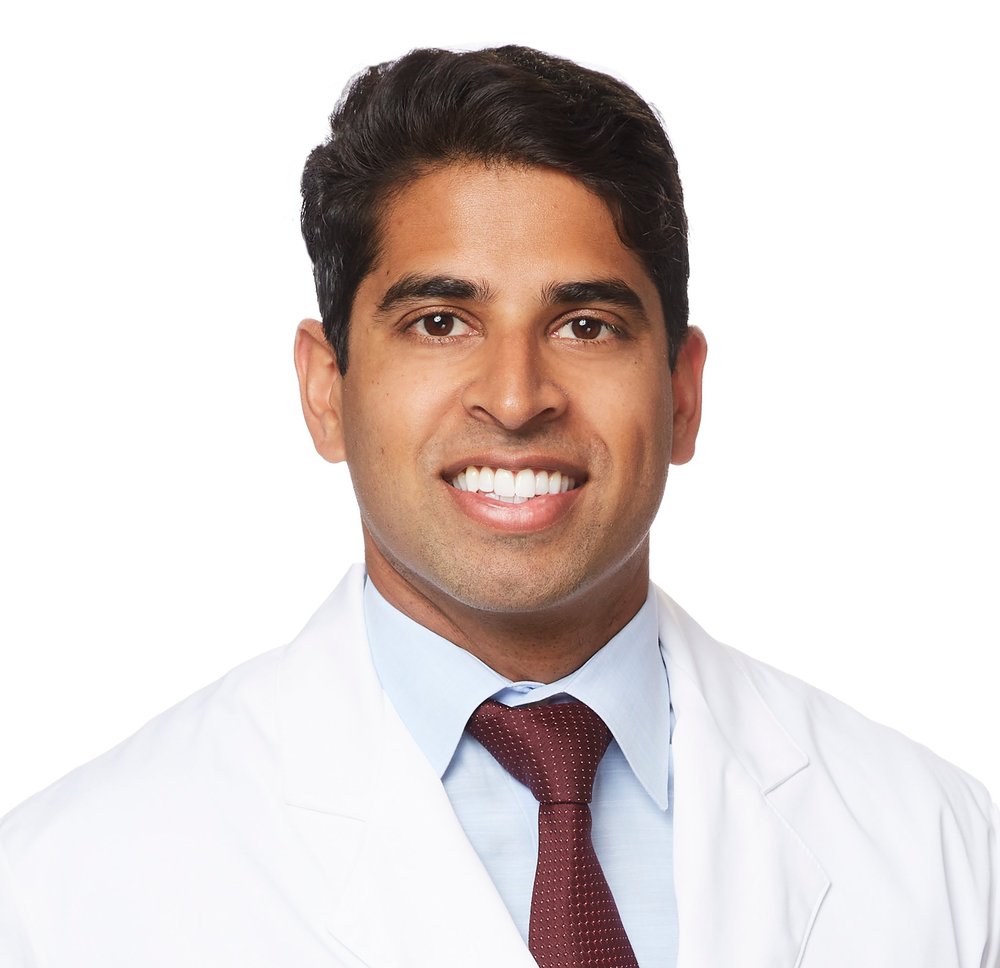
Manoj P. Reddy, MD
- Board-certified orthopaedic surgeon, fellowship-trained in sports medicine and shoulder surgery at the Rothman Orthopaedic Institute
- Orthopaedic surgery residency at the University of Chicago
- Specializes in arthroscopic, reconstructive and joint replacement surgery of the shoulder, knee and elbow
- Assistant team physician for the Philadelphia 76ers, Eagles and Phillies during fellowship; covers Rowlett, Garland and Naaman Forest high schools
- Author of 27 peer-reviewed publications in sports medicine
- Living Magazine Top Doctor, 2024

