

Shoulder Instability care in North Texas. Dr. Manoj P. Reddy evaluates and treats this condition at his Dallas, Rockwall and Garland offices.
What is shoulder instability?
The shoulder is a shallow ball-and-socket joint held in place by the labrum, the capsule and ligaments, and the surrounding muscles. Instability means the ball slips partly or fully out of the socket.
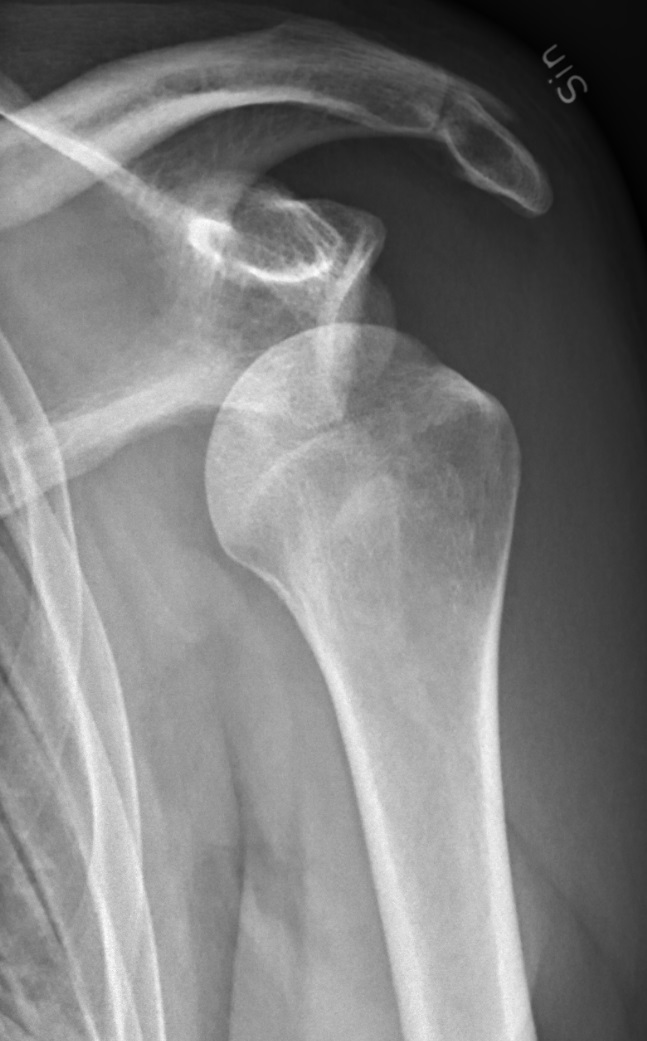
What is a shoulder dislocation?
In a dislocation the ball comes completely out of the socket. Most dislocations are anterior, with the ball moving forward, typically when the arm is forced up and back. Posterior dislocations are less common and can follow a fall, a seizure or a blow to the front of the shoulder.
What causes instability?
A first dislocation usually tears the labrum from the front of the socket, known as a Bankart tear, and stretches the capsule. These structures often do not heal in the right position, so the shoulder can dislocate again more easily. Some people have naturally loose joints and develop instability without a major injury.
What are the symptoms?
- A shoulder that slips or comes out of place
- Pain and apprehension with the arm raised and rotated outward
- A feeling of looseness or a dead arm during sport
How is it diagnosed?
Diagnosis combines the history of the injury, an examination for looseness and apprehension, and imaging. X-rays and MRI show the labral tear. Each dislocation can also damage bone: a dent on the back of the ball, called a Hill-Sachs lesion, or loss of bone from the front of the socket. A CT scan is sometimes used to measure this bone loss, because it affects which operation is most reliable.
Can it be treated without surgery?
After a first dislocation, a period of rest followed by strengthening of the rotator cuff and shoulder blade muscles is an option. Young athletes in contact and overhead sports have a high risk of another dislocation, so early stabilization is often discussed with them.
What are the surgical options?
- Arthroscopic Bankart repair: the labrum is reattached to the socket with anchors and the capsule is tightened.
- Remplissage: added to a Bankart repair when a Hill-Sachs lesion is engaging the socket.
- Latarjet procedure: a piece of bone with its attached tendon is transferred to the front of the socket. It is used when there is significant bone loss or a previous repair has failed.
What is recovery like?
The arm is kept in a sling for about four to six weeks, followed by progressive motion and strengthening. Return to contact and overhead sports is usually around five to six months.
This page is general information, not medical advice. Recovery times are typical ranges and vary from person to person.

AT A GLANCE
Manoj P. Reddy, MD
- Board-certified orthopaedic surgeon, fellowship-trained in sports medicine and shoulder surgery at the Rothman Orthopaedic Institute
- Orthopaedic surgery residency at the University of Chicago
- Specializes in arthroscopic, reconstructive and joint replacement surgery of the shoulder, knee and elbow
- Assistant team physician for the Philadelphia 76ers, Eagles and Phillies during fellowship; covers Rowlett, Garland and Naaman Forest high schools
- Author of 27 peer-reviewed publications in sports medicine
- Living Magazine Top Doctor, 2024

