
ACL Reconstruction in North Texas. Dr. Manoj P. Reddy offers this treatment at his Dallas, Rockwall and Garland offices.
What is an ACL reconstruction?
The torn ligament is replaced with a tendon graft, most often your own patellar tendon, quadriceps tendon or hamstring tendons, or a donor tendon in selected patients. Revision surgery addresses a graft that has failed.
Who is a candidate for ACL reconstruction?
Active patients with instability, particularly those returning to pivoting and cutting sports.
How is the procedure performed?
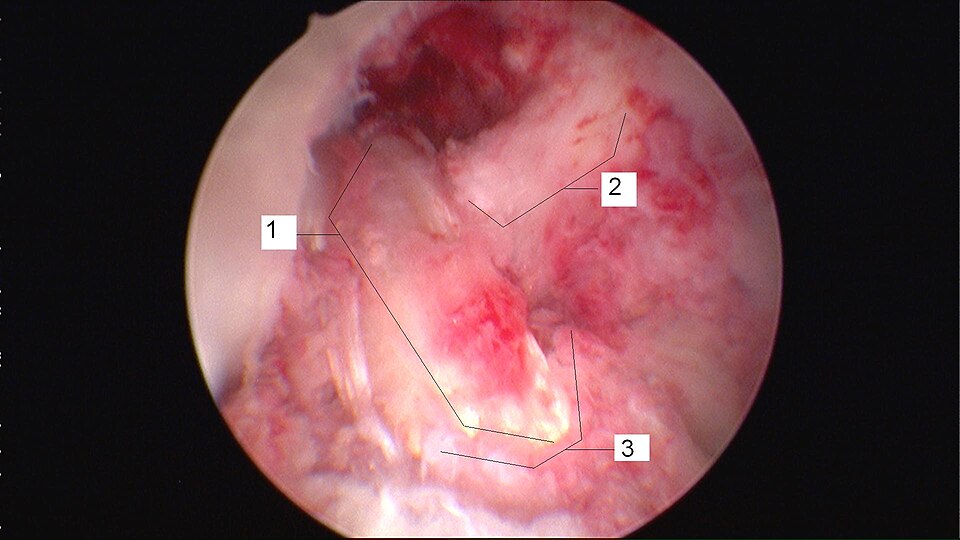
The graft is prepared first. Working arthroscopically, the surgeon removes the torn ligament, drills a tunnel in the thigh bone and one in the shin bone at the points where the ACL attached, passes the graft through and fixes it at each end. Meniscus and cartilage injuries are treated in the same operation.
What is recovery like?
A brace and crutches for the first 1 to 3 weeks, longer if a meniscus repair is done. Physical therapy continues for about 9 months, and return to sport is typically 9 to 12 months, after passing strength and movement testing.
How do I prepare for surgery?
Before surgery you will receive instructions on medications to stop, when to stop eating and drinking, and skin preparation. Arrange for an adult to drive you home and stay with you the first night, and schedule your first physical therapy visit in advance when one is planned. Read the pre-op instructions.
Which graft is right for me?
- Patellar tendon (bone-tendon-bone): bone plugs at each end heal quickly in the tunnels; it has a long track record in young pivoting athletes, with a higher rate of pain when kneeling.
- Quadriceps tendon: a thick, strong graft with less kneeling pain; increasingly used in athletes.
- Hamstring tendons: smaller incision and less pain at the front of the knee, with some hamstring weakness early on.
- Donor tendon (allograft): no graft-site pain and a quicker early recovery, but a higher re-tear rate in young athletes, so it is generally reserved for older or lower-demand patients.
Dr. Reddy recommends a graft based on your age, sport and anatomy and reviews the choice with you before surgery.
When can I drive, work and return to sport?
Driving resumes once you are off narcotic medication and out of the brace: often one to two weeks for a left knee with an automatic car and four to six weeks for a right knee. Desk work or class is usually possible within one to two weeks. Running typically begins at around three to four months, and return to sport is at 9 to 12 months after passing strength and movement testing.
How successful is ACL reconstruction?
Most patients regain a stable knee and return to sport. The risk of a second ACL injury, in either knee, is highest in young athletes and in those who return before nine months, which is why testing before return matters. See the rehabilitation protocols.
What are the risks?
Specific risks include re-tear of the graft, stiffness, pain at the front of the knee or the graft site, and weakness that takes time to recover. The risk of re-injury is highest in patients who return to sport before nine months. As with any operation, there are risks of infection, bleeding, blood clots, stiffness, nerve or blood vessel injury and problems with anesthesia. These are uncommon, and steps are taken before, during and after surgery to lower them.
Read the ACL reconstruction FAQ →
This page is general information, not medical advice. Recovery times are typical ranges and vary from person to person.
KNEE TREATMENTS
ACL and Ligament Surgery
ACL Reconstruction and Revision
PCL Reconstruction
MCL Reconstruction
Multi-Ligament Reconstruction
Meniscus Surgery
Meniscus Repair and Meniscectomy
Meniscus Root Repair
Meniscus Transplant
Cartilage and Realignment
Cartilage Restoration
MACI Cartilage Implantation
Osteochondral Allograft (OCA)
Knee Osteotomy
Kneecap Stabilization
Patellar Stabilization
MPFL Reconstruction
Tibial Tubercle Osteotomy
Other Knee Treatments
Knee Arthroscopy
Quadriceps and Patellar Tendon Repair
Partial Knee Replacement
Injections
AT A GLANCE
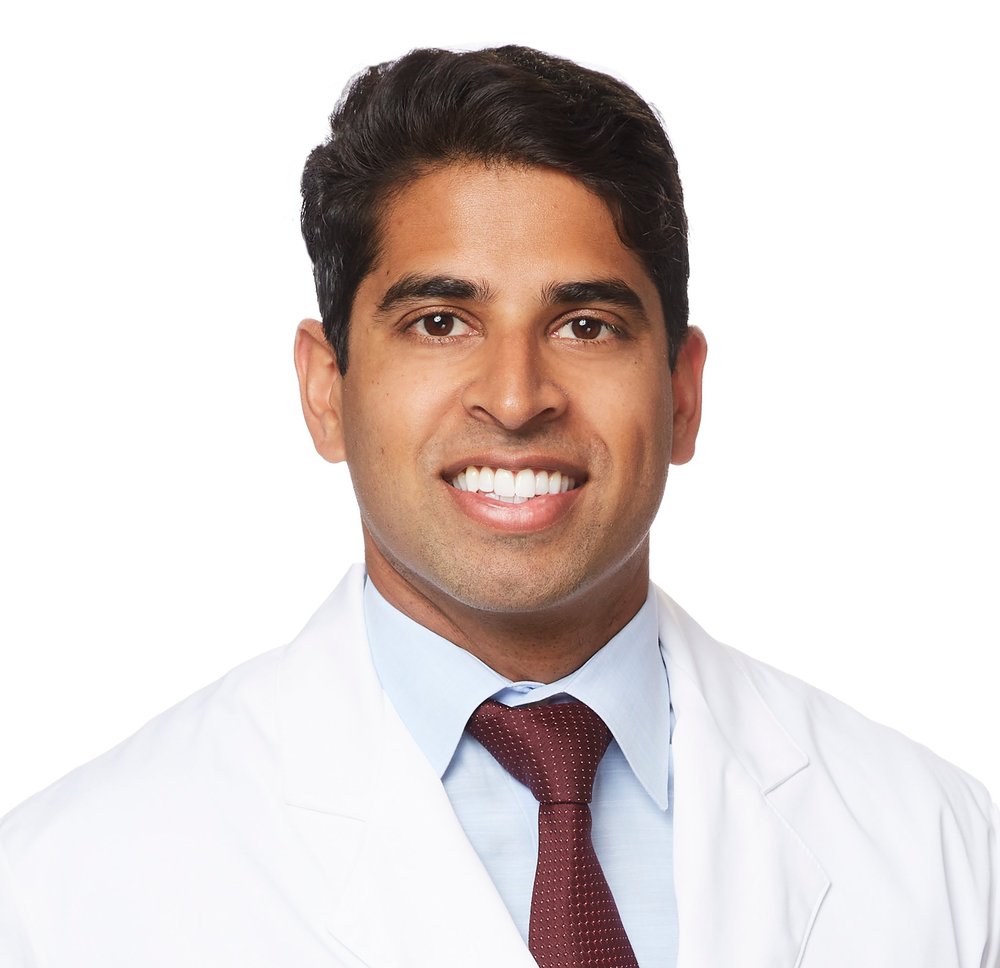
Manoj P. Reddy, MD
- Board-certified orthopaedic surgeon, fellowship-trained in sports medicine and shoulder surgery at the Rothman Orthopaedic Institute
- Orthopaedic surgery residency at the University of Chicago
- Specializes in arthroscopic, reconstructive and joint replacement surgery of the shoulder, knee and elbow
- Assistant team physician for the Philadelphia 76ers, Eagles and Phillies during fellowship; covers Rowlett, Garland and Naaman Forest high schools
- Author of 27 peer-reviewed publications in sports medicine
- Living Magazine Top Doctor, 2024

