
Knee Arthroscopy in North Texas. Dr. Manoj P. Reddy offers this treatment at his Dallas, Rockwall and Garland offices.
What is a knee arthroscopy?
Minimally invasive surgery through small incisions using a camera and fine instruments. It is used for most meniscus, cartilage and ligament procedures.
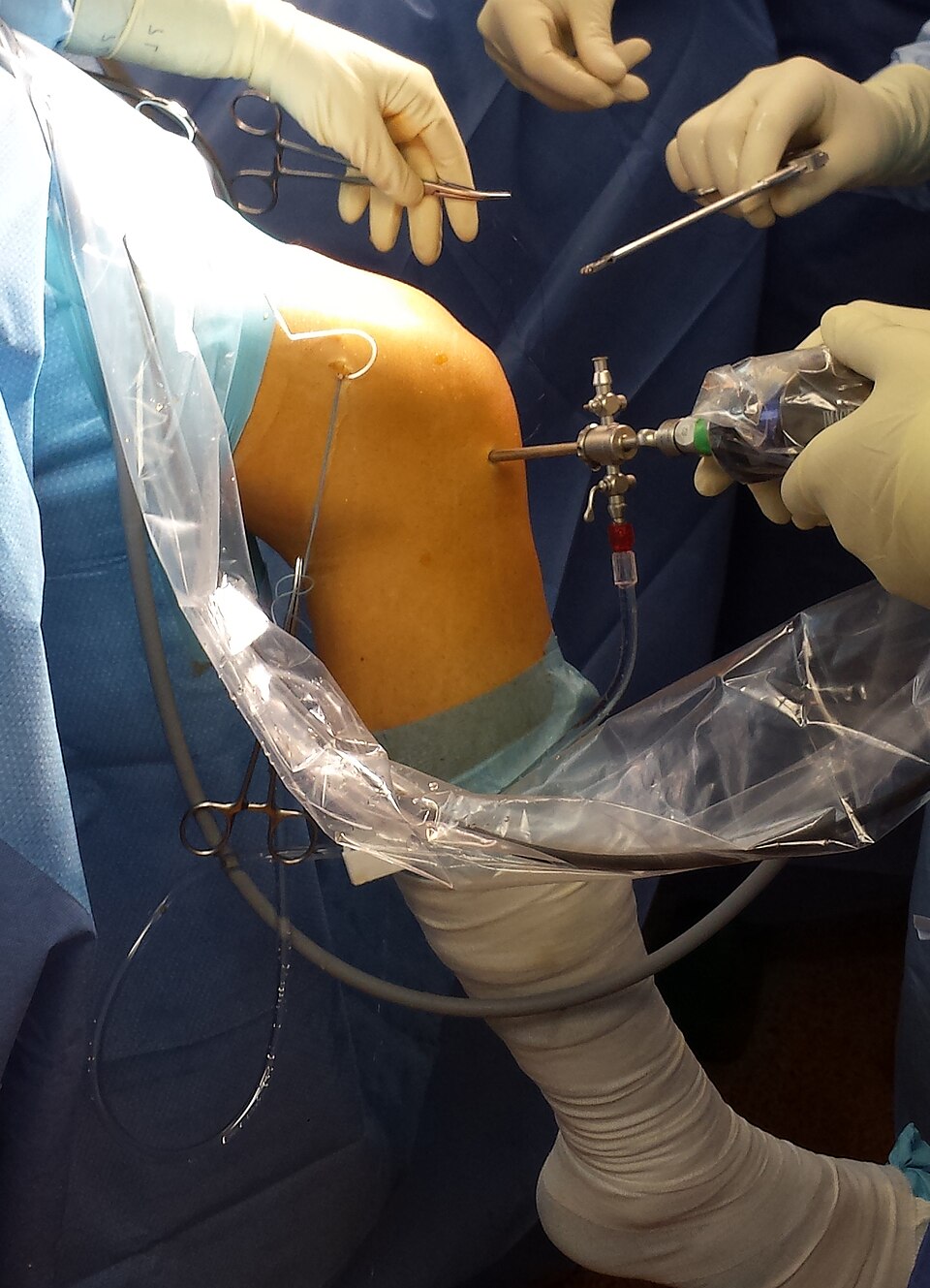
How is the procedure performed?
Two or three small incisions are made at the front of the knee. A camera is placed into the joint, which is filled with sterile fluid, and each compartment is examined. Small instruments are then used to trim, smooth or repair the damaged tissue.
What should I expect on the day?
Outpatient surgery. What is done inside the joint determines the restrictions afterward.
What is recovery like?
After a simple arthroscopy most patients walk the same day and return to desk work within days. Repairs and reconstructions take longer.
How do I prepare for surgery?
Before surgery you will receive instructions on medications to stop, when to stop eating and drinking, and skin preparation. Arrange for an adult to drive you home and stay with you the first night, and schedule your first physical therapy visit in advance when one is planned. Read the pre-op instructions.
What conditions are treated with knee arthroscopy?
- Meniscus tears, by repair or trimming
- ACL, PCL and other ligament reconstructions
- Cartilage damage and loose fragments
- Inflamed joint lining
- Problems with how the kneecap tracks
When can I drive, work and return to activity?
After a simple arthroscopy, driving usually resumes within a few days to a week for the left knee and one to two weeks for the right, once you are off narcotic medication and can brake firmly. Desk work is often possible within days. Return to sport ranges from about four to six weeks after a meniscus trim to many months after a repair or reconstruction.
What are the risks?
Specific risks include swelling, stiffness and a blood clot in the leg. As with any operation, there are risks of infection, bleeding, blood clots, stiffness, nerve or blood vessel injury and problems with anesthesia. These are uncommon, and steps are taken before, during and after surgery to lower them.
This page is general information, not medical advice. Recovery times are typical ranges and vary from person to person.
KNEE TREATMENTS
ACL and Ligament Surgery
ACL Reconstruction and Revision
PCL Reconstruction
MCL Reconstruction
Multi-Ligament Reconstruction
Meniscus Surgery
Meniscus Repair and Meniscectomy
Meniscus Root Repair
Meniscus Transplant
Cartilage and Realignment
Cartilage Restoration
MACI Cartilage Implantation
Osteochondral Allograft (OCA)
Knee Osteotomy
Kneecap Stabilization
Patellar Stabilization
MPFL Reconstruction
Tibial Tubercle Osteotomy
Other Knee Treatments
Knee Arthroscopy
Quadriceps and Patellar Tendon Repair
Partial Knee Replacement
Injections
AT A GLANCE
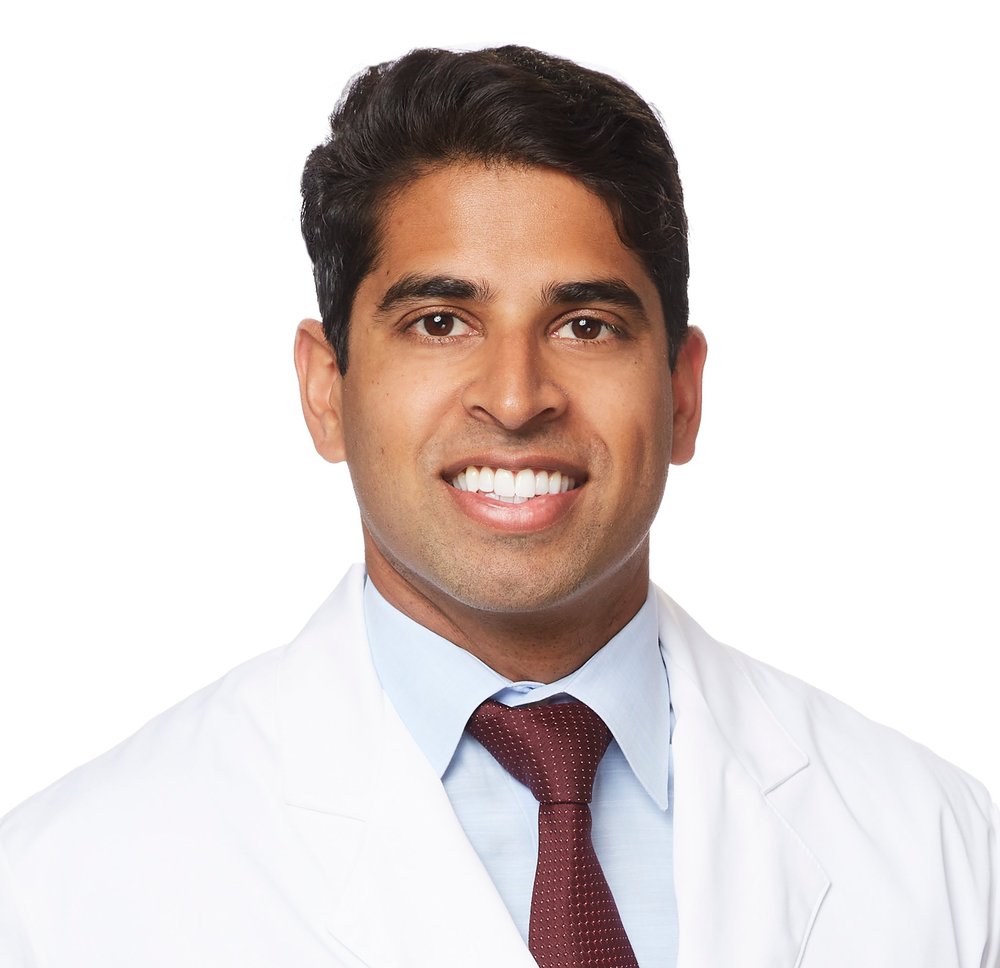
Manoj P. Reddy, MD
- Board-certified orthopaedic surgeon, fellowship-trained in sports medicine and shoulder surgery at the Rothman Orthopaedic Institute
- Orthopaedic surgery residency at the University of Chicago
- Specializes in arthroscopic, reconstructive and joint replacement surgery of the shoulder, knee and elbow
- Assistant team physician for the Philadelphia 76ers, Eagles and Phillies during fellowship; covers Rowlett, Garland and Naaman Forest high schools
- Author of 27 peer-reviewed publications in sports medicine
- Living Magazine Top Doctor, 2024

