

MACI Cartilage Implantation in North Texas. Dr. Manoj P. Reddy offers this treatment at his Dallas, Rockwall and Garland offices.
What is MACI?
MACI stands for matrix-induced autologous chondrocyte implantation. It is a cartilage restoration procedure that uses your own cartilage cells to repair an area of damaged cartilage in the knee. The cells are grown in a laboratory on a thin collagen membrane, and the membrane is then implanted into the defect, where the cells form new cartilage tissue.
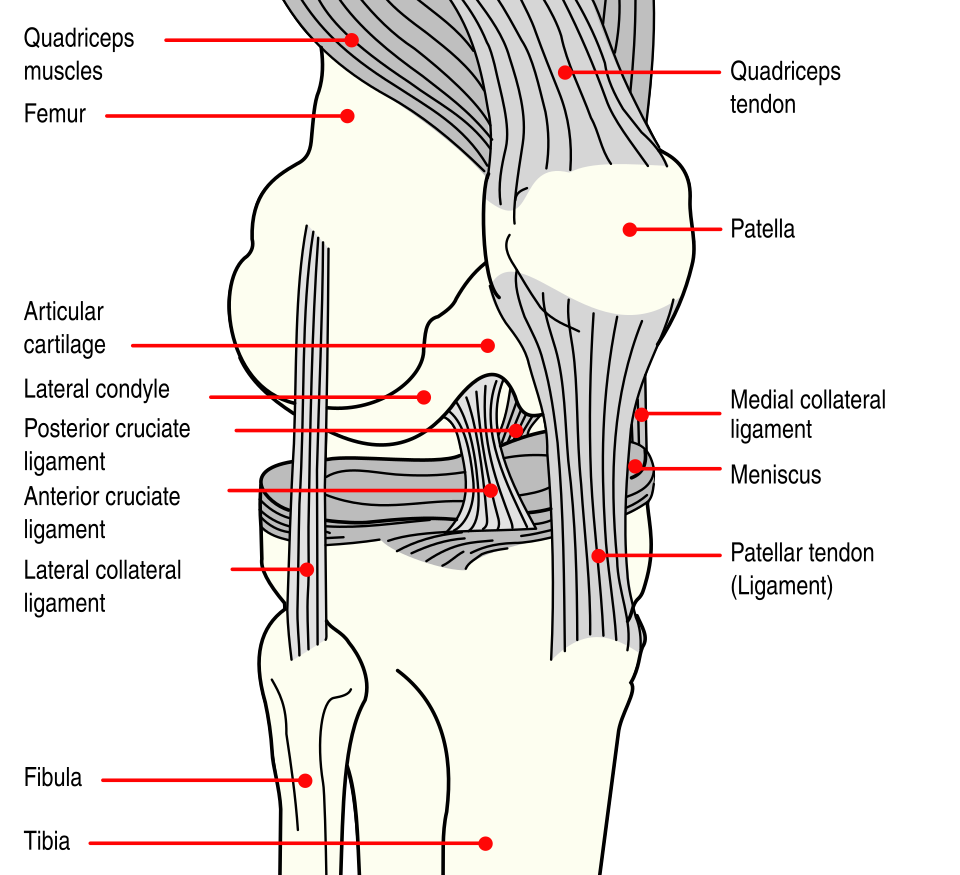
MACI is approved by the U.S. Food and Drug Administration for symptomatic, full-thickness cartilage defects of the knee in adults.
What is articular cartilage, and why doesn’t it heal?
Articular cartilage is the smooth, white tissue covering the ends of the thigh bone and shin bone and the back of the kneecap. It lets the joint glide with almost no friction and cushions load.
Cartilage has no blood supply and very few cells, so a defect does not fill in on its own. Left alone, a full-thickness defect tends to stay painful and can enlarge over time.
Who is a candidate for MACI?
MACI is generally considered for patients who have:
- A well-defined, full-thickness cartilage defect on the end of the thigh bone, the groove behind the kneecap (trochlea) or the kneecap itself
- Pain, swelling or catching that has not improved with therapy, activity changes and injections
- Healthy cartilage around the defect and on the opposite surface
- A stable knee with good alignment, or the willingness to have alignment, ligament or meniscus problems corrected at the same time
It is not a treatment for widespread arthritis, where cartilage is worn on both sides of the joint. Dr. Reddy reviews your examination, X-rays and MRI to determine whether MACI, an osteochondral allograft or another approach fits your knee.
How is MACI performed?
MACI takes two procedures.
- Stage 1, biopsy: during a short outpatient arthroscopy, the defect is measured and a small sample of healthy cartilage, about the size of two or three grains of rice, is taken from a part of the knee that does not bear weight. The sample is sent to a laboratory, where the cells are multiplied and placed on a collagen membrane. This takes several weeks.
- Stage 2, implantation: through a small incision, the damaged cartilage is removed down to a clean, stable edge. The membrane is trimmed to the exact shape of the defect and secured in place with a biologic glue.
If the kneecap is not tracking properly or the leg is out of alignment, a tibial tubercle osteotomy or other realignment procedure may be done at the second stage to protect the new cartilage.
What is recovery like after MACI?
The new tissue matures slowly, so recovery is deliberately gradual. The program depends on where the defect was:
- Thigh bone (femoral condyle): weight bearing is limited at first and increased in steps over about six to eight weeks, while the knee is moved early, often with a continuous passive motion (CPM) machine.
- Kneecap or trochlea: weight bearing is usually allowed sooner with the brace locked straight, while bending is increased gradually.
Most patients return to desk work within one to two weeks. Low-impact exercise such as cycling and swimming generally starts at around three months, running at about six to nine months, and pivoting or impact sports at nine to twelve months or later, once strength has returned. The cartilage continues to mature for up to two years.
Download the MACI rehabilitation protocols.
Does MACI work?
MACI has been studied in a randomized trial that compared it with microfracture, an older technique. Patients treated with MACI reported better pain and function scores at two years, and the difference was maintained at five years. Results are best in patients with a single defect, good alignment and a stable knee who complete the rehabilitation program.
Will insurance cover MACI?
Many insurance plans cover MACI when specific criteria are met, and most require authorization before the biopsy and again before implantation. Our office works with the manufacturer’s support program to submit the request and will let you know what your plan requires.
What are the risks?
Specific risks include the graft not filling in completely or separating, overgrowth of the repair tissue that can cause catching, stiffness that needs further therapy or a manipulation, and the need for another procedure. As with any operation, there are also general risks of infection, blood clots, stiffness, nerve or blood vessel injury and problems with anesthesia. These are uncommon, and steps are taken to lower them.
This page is general information, not medical advice. Recovery times are typical ranges and vary from person to person.
KNEE TREATMENTS
ACL and Ligament Surgery
ACL Reconstruction and Revision
PCL Reconstruction
MCL Reconstruction
Multi-Ligament Reconstruction
Meniscus Surgery
Meniscus Repair and Meniscectomy
Meniscus Root Repair
Meniscus Transplant
Cartilage and Realignment
Cartilage Restoration
MACI Cartilage Implantation
Osteochondral Allograft (OCA)
Knee Osteotomy
Kneecap Stabilization
Patellar Stabilization
MPFL Reconstruction
Tibial Tubercle Osteotomy
Other Knee Treatments
Knee Arthroscopy
Quadriceps and Patellar Tendon Repair
Partial Knee Replacement
Injections
AT A GLANCE
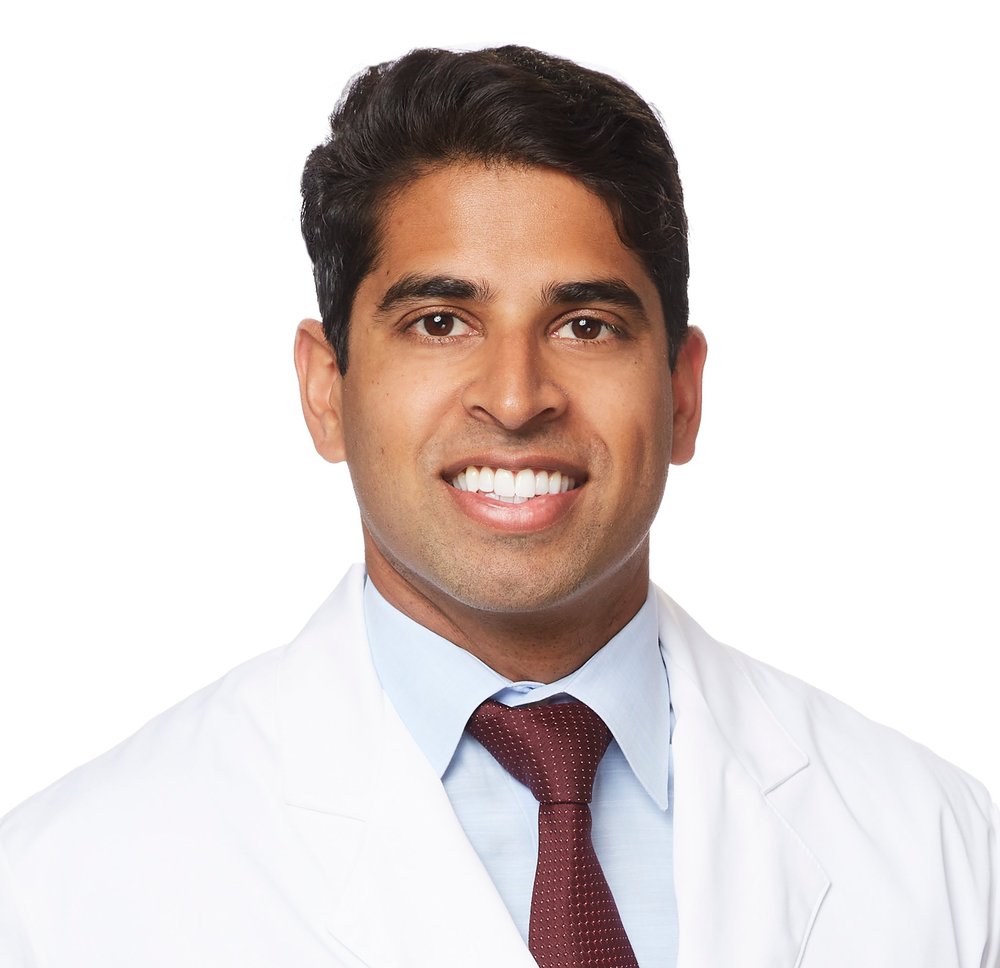
Manoj P. Reddy, MD
- Board-certified orthopaedic surgeon, fellowship-trained in sports medicine and shoulder surgery at the Rothman Orthopaedic Institute
- Orthopaedic surgery residency at the University of Chicago
- Specializes in arthroscopic, reconstructive and joint replacement surgery of the shoulder, knee and elbow
- Assistant team physician for the Philadelphia 76ers, Eagles and Phillies during fellowship; covers Rowlett, Garland and Naaman Forest high schools
- Author of 27 peer-reviewed publications in sports medicine
- Living Magazine Top Doctor, 2024

