
Osteochondral Allograft (OCA) Transplantation in North Texas. Dr. Manoj P. Reddy offers this treatment at his Dallas, Rockwall and Garland offices.
What is an osteochondral allograft?
An osteochondral allograft, or OCA, is a transplant of cartilage together with a layer of the bone beneath it, taken from a donor. It replaces a damaged area of the joint surface with mature, living cartilage in a single operation. “Osteo” refers to bone and “chondral” to cartilage.
When is an OCA recommended?
- Larger cartilage defects, often more than about two square centimeters
- Defects where the underlying bone is also damaged, such as osteochondritis dissecans (OCD) or avascular necrosis
- Revision after a previous cartilage procedure that did not succeed
- Younger, active patients for whom a joint replacement is not appropriate
Because the graft brings its own bone, an OCA can restore defects that cell-based techniques such as MACI cannot.
Where does the graft come from?
Grafts come from an accredited tissue bank. Donors are screened and the tissue is tested for infection, in line with federal regulations. The graft is matched to you by the size of the bone, not by blood or tissue type, and no anti-rejection medication is needed.
Fresh grafts must be implanted within a few weeks of donation so the cartilage cells stay alive. For that reason, surgery is scheduled once a matching graft becomes available, sometimes on fairly short notice.
How is the surgery performed?
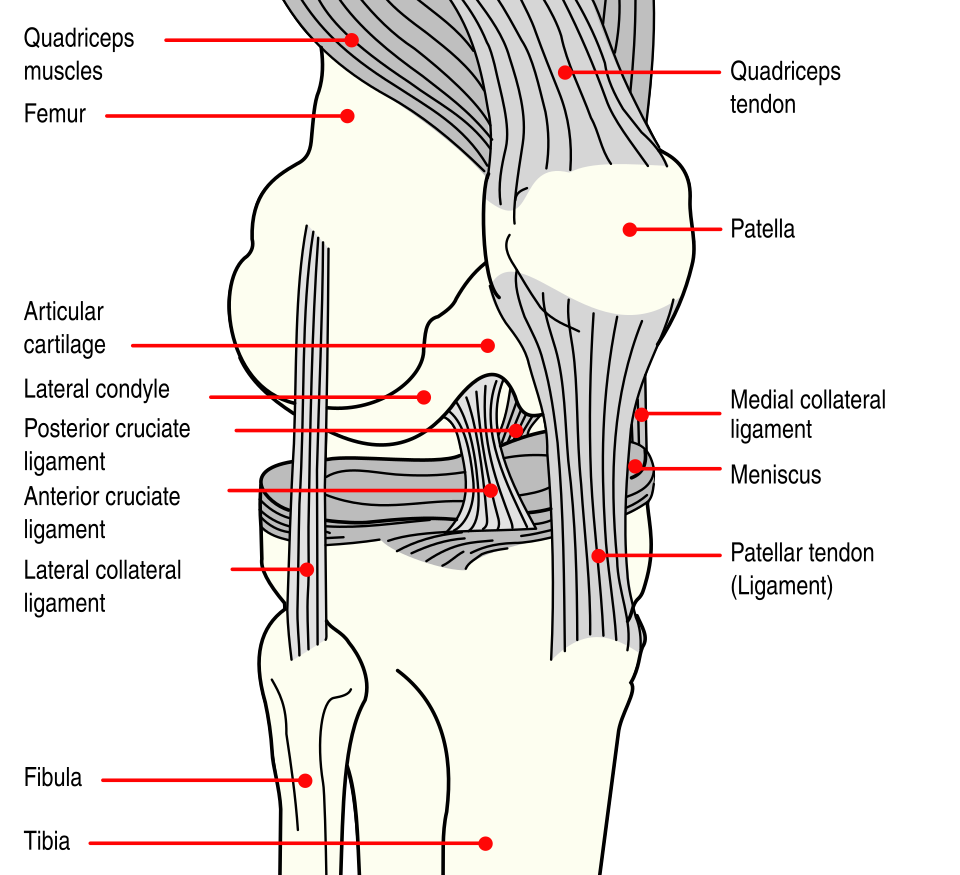
Through an incision at the front of the knee, the damaged cartilage and bone are removed to create a round socket of precise depth. A matching cylindrical plug is cut from the same location on the donor bone and pressed into place so that its surface sits flush with the surrounding cartilage. Larger or irregular defects may need more than one plug or a shaped graft.
A meniscus transplant, ligament reconstruction or realignment osteotomy can be performed at the same time when needed.
What is recovery like?
The bone portion of the graft has to heal to your own bone, which takes about six to twelve weeks. During that time weight bearing is limited and then increased in steps, and the knee is moved early to nourish the cartilage and prevent stiffness. Grafts on the kneecap or trochlea usually allow weight bearing sooner, with bending limited in a brace.
Low-impact exercise typically begins at around three months. Return to running and sport is generally between six and twelve months, depending on the size and location of the graft and on recovery of strength.
Download the OCA rehabilitation protocols.
How long does an OCA last?
Published studies report that a large majority of grafts are still functioning ten years after surgery, with results varying by location and by the condition being treated. Grafts on the thigh bone tend to last longer than those on the kneecap. Maintaining a healthy weight and avoiding repetitive high impact help protect the graft.
What are the risks?
Specific risks include the graft not healing to the bone, gradual breakdown of the graft, and a very small risk of disease transmission despite screening. As with any operation, there are also general risks of infection, blood clots, stiffness, nerve or blood vessel injury and problems with anesthesia. These are uncommon, and steps are taken to lower them.
This page is general information, not medical advice. Recovery times are typical ranges and vary from person to person.
KNEE TREATMENTS
ACL and Ligament Surgery
ACL Reconstruction and Revision
PCL Reconstruction
MCL Reconstruction
Multi-Ligament Reconstruction
Meniscus Surgery
Meniscus Repair and Meniscectomy
Meniscus Root Repair
Meniscus Transplant
Cartilage and Realignment
Cartilage Restoration
MACI Cartilage Implantation
Osteochondral Allograft (OCA)
Knee Osteotomy
Kneecap Stabilization
Patellar Stabilization
MPFL Reconstruction
Tibial Tubercle Osteotomy
Other Knee Treatments
Knee Arthroscopy
Quadriceps and Patellar Tendon Repair
Partial Knee Replacement
Injections
AT A GLANCE
Manoj P. Reddy, MD
- Board-certified orthopaedic surgeon, fellowship-trained in sports medicine and shoulder surgery at the Rothman Orthopaedic Institute
- Orthopaedic surgery residency at the University of Chicago
- Specializes in arthroscopic, reconstructive and joint replacement surgery of the shoulder, knee and elbow
- Assistant team physician for the Philadelphia 76ers, Eagles and Phillies during fellowship; covers Rowlett, Garland and Naaman Forest high schools
- Author of 27 peer-reviewed publications in sports medicine
- Living Magazine Top Doctor, 2024

