
Meniscus Transplant in North Texas. Dr. Manoj P. Reddy offers this treatment at his Dallas, Rockwall and Garland offices.
What is a meniscus transplant?
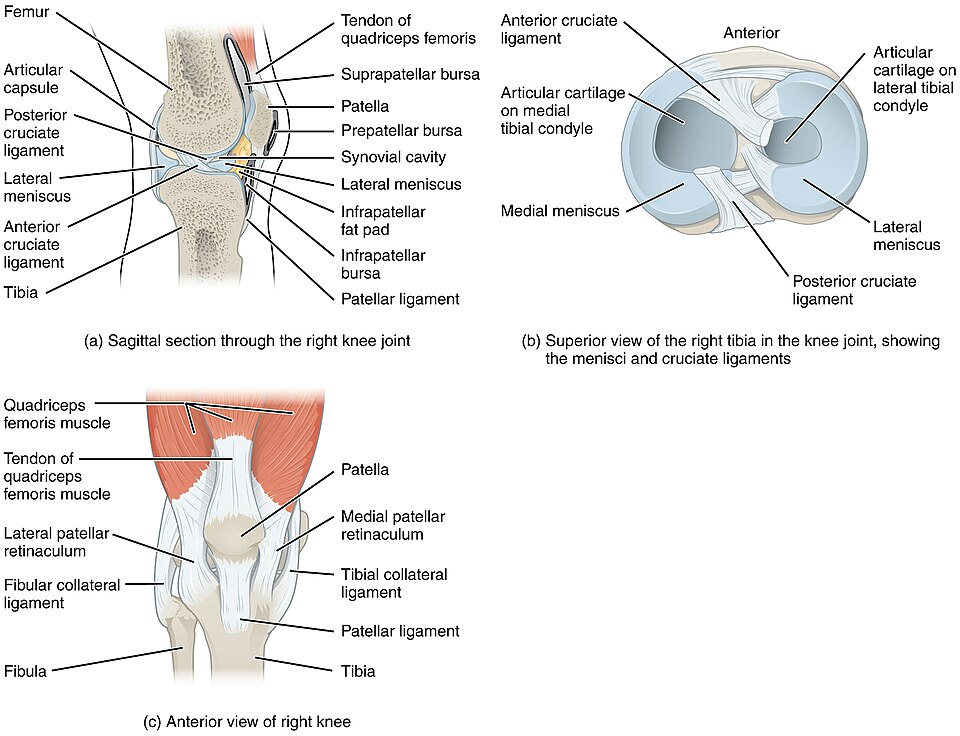
A donor meniscus, matched for size, is implanted to replace a meniscus that was previously removed.
Who is a candidate for meniscus transplant?
Younger patients with pain in a compartment that has lost its meniscus, good alignment and little arthritis.
How is the procedure performed?
A donor meniscus matched to the size of your knee is prepared, often with small bone plugs or a bone bridge at its attachments. It is placed into the knee arthroscopically, with a small incision, fixed to bone at the front and back and stitched to the capsule around its edge.
What is recovery like?
Protected weight bearing and limited motion for the first 6 weeks, followed by gradual strengthening. Return to full activity takes many months.
How do I prepare for surgery?
Before surgery you will receive instructions on medications to stop, when to stop eating and drinking, and skin preparation. Arrange for an adult to drive you home and stay with you the first night, and schedule your first physical therapy visit in advance when one is planned. Read the pre-op instructions.
How is a transplant matched to me?
The graft is matched by size, using measurements from your X-rays or MRI, and by which side of the knee is affected. Tissue type matching and anti-rejection medication are not needed. Surgery is scheduled when a suitably sized graft is available from the tissue bank.
When can I drive, work and return to activity?
Driving usually resumes at around six weeks, once weight bearing and brace restrictions are lifted. Desk work is often possible within two weeks. Low-impact exercise begins at around three to four months. The aim of a transplant is to reduce pain and protect the joint, so a return to high-impact sport is decided individually and approached with caution. See the rehabilitation protocols.
What are the risks?
Specific risks include the transplant not healing or tearing, and the need for further surgery. The procedure aims to reduce pain and protect the joint; high-impact sport afterward is approached with caution. As with any operation, there are risks of infection, bleeding, blood clots, stiffness, nerve or blood vessel injury and problems with anesthesia. These are uncommon, and steps are taken before, during and after surgery to lower them.
This page is general information, not medical advice. Recovery times are typical ranges and vary from person to person.
KNEE TREATMENTS
ACL and Ligament Surgery
ACL Reconstruction and Revision
PCL Reconstruction
MCL Reconstruction
Multi-Ligament Reconstruction
Meniscus Surgery
Meniscus Repair and Meniscectomy
Meniscus Root Repair
Meniscus Transplant
Cartilage and Realignment
Cartilage Restoration
MACI Cartilage Implantation
Osteochondral Allograft (OCA)
Knee Osteotomy
Kneecap Stabilization
Patellar Stabilization
MPFL Reconstruction
Tibial Tubercle Osteotomy
Other Knee Treatments
Knee Arthroscopy
Quadriceps and Patellar Tendon Repair
Partial Knee Replacement
Injections
AT A GLANCE
Manoj P. Reddy, MD
- Board-certified orthopaedic surgeon, fellowship-trained in sports medicine and shoulder surgery at the Rothman Orthopaedic Institute
- Orthopaedic surgery residency at the University of Chicago
- Specializes in arthroscopic, reconstructive and joint replacement surgery of the shoulder, knee and elbow
- Assistant team physician for the Philadelphia 76ers, Eagles and Phillies during fellowship; covers Rowlett, Garland and Naaman Forest high schools
- Author of 27 peer-reviewed publications in sports medicine
- Living Magazine Top Doctor, 2024

