
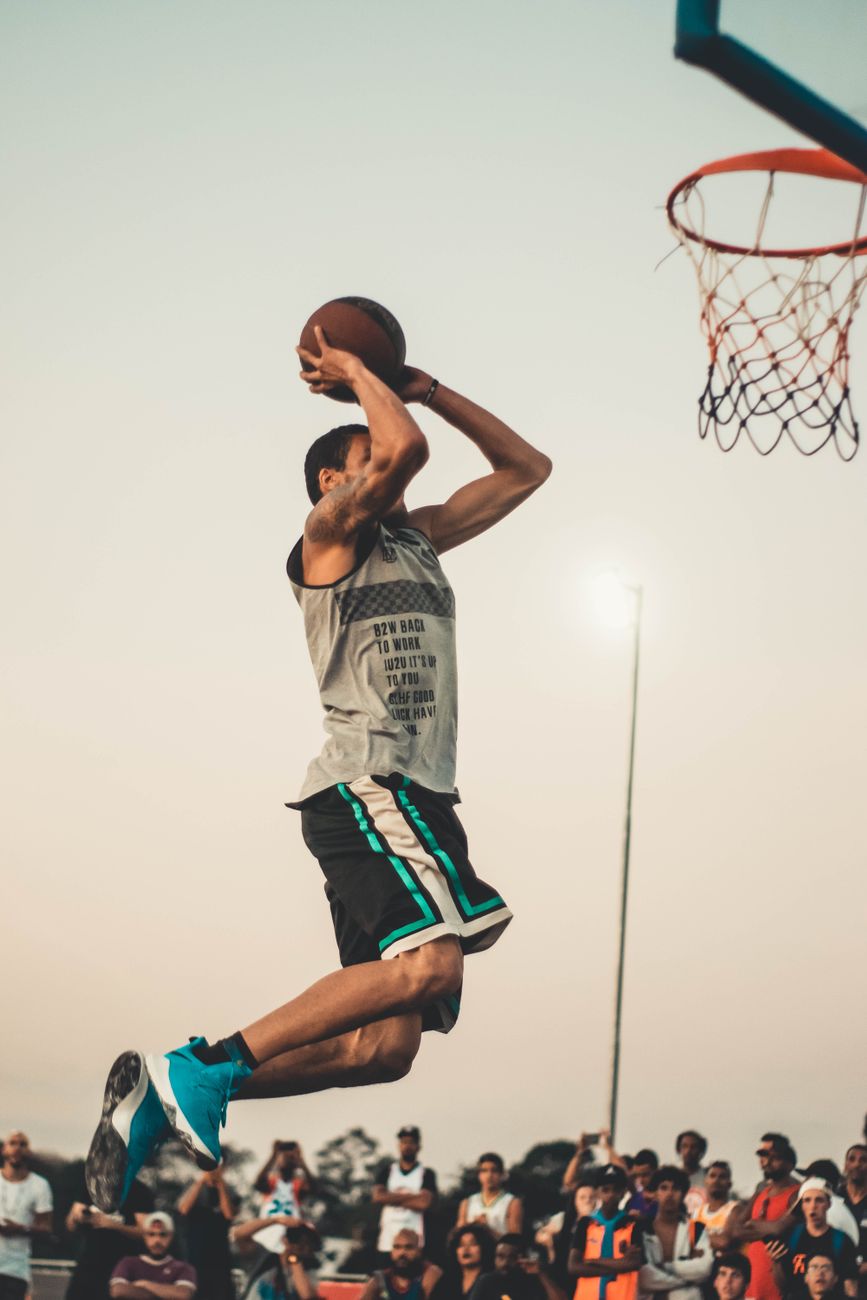
Partial Knee Replacement in North Texas. Dr. Manoj P. Reddy offers this treatment at his Dallas, Rockwall and Garland offices.
What is a partial knee replacement?
Only the one worn compartment is resurfaced with metal and plastic, keeping the healthy cartilage and all of the ligaments. Compared with a total knee replacement, most patients have a smaller incision and a faster recovery.
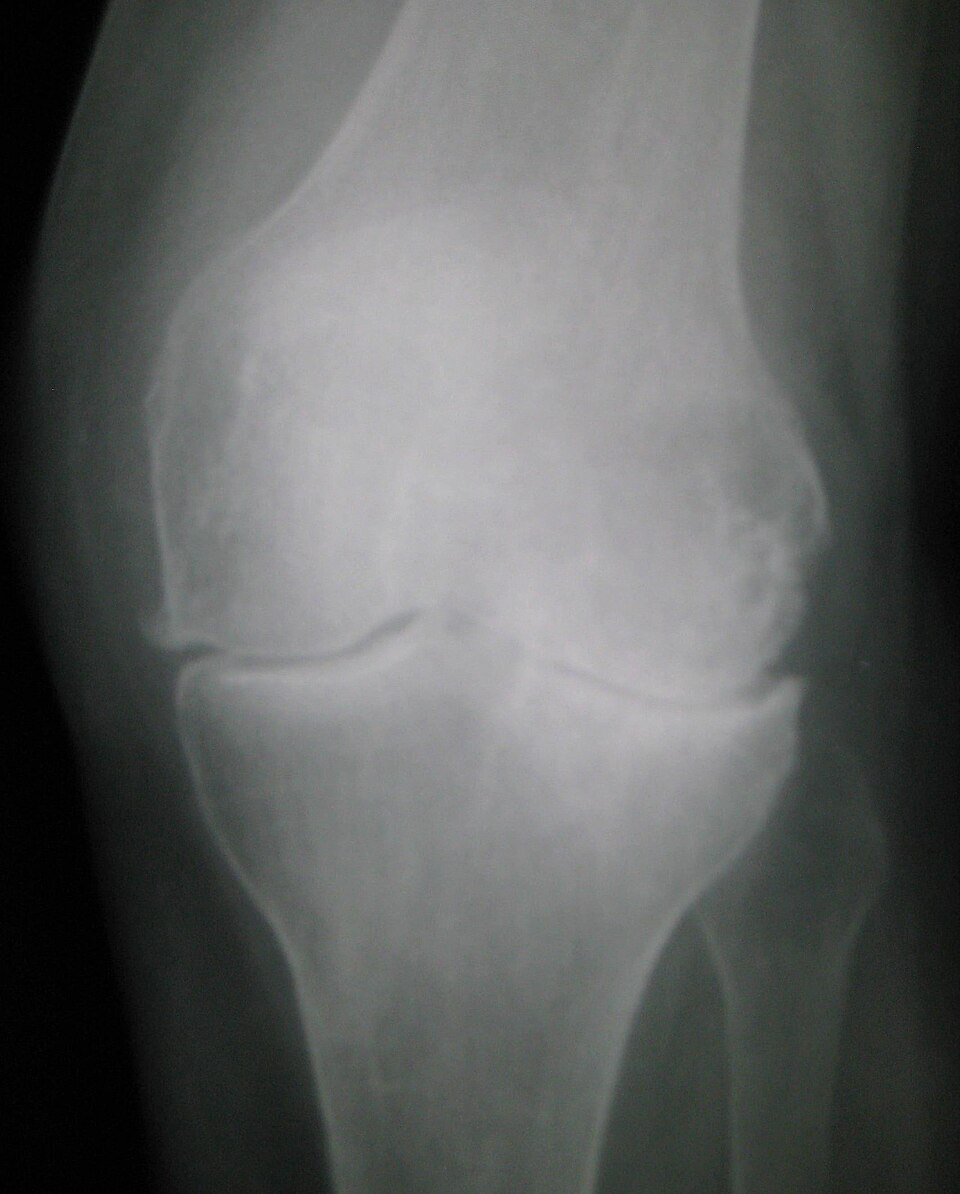
Who is a candidate for partial knee replacement?
Arthritis limited to one compartment, with intact ligaments and a knee that straightens well.
How is the procedure performed?
Through an incision at the front of the knee, the worn cartilage and a thin layer of bone are removed from the one damaged compartment. Metal components are fixed to the ends of the thigh bone and shin bone, with a plastic bearing between them. The other compartments and all of the ligaments are left in place.
What is recovery like?
Most patients go home the same day and walk with full weight right away, using a walker for 1 to 2 weeks. Therapy continues for about 6 to 8 weeks.
How do I prepare for surgery?
Before surgery you will receive instructions on medications to stop, when to stop eating and drinking, and skin preparation. Arrange for an adult to drive you home and stay with you the first night, and schedule your first physical therapy visit in advance when one is planned. Read the pre-op instructions.
How is it different from a total knee replacement?
A total knee replacement resurfaces all three compartments and removes one or both cruciate ligaments. A partial replacement resurfaces only the worn compartment and keeps the ligaments, so the knee tends to feel more natural, the incision is smaller and recovery is usually quicker. The trade-off is a somewhat higher chance of needing further surgery in the long term if arthritis develops elsewhere in the knee.
When can I drive, work and return to activity?
Driving resumes when you are off narcotic medication and can move your foot quickly between pedals: often one to three weeks for a left knee and three to six weeks for a right knee. Desk work is often possible at two to four weeks and physical work at 6 to 12 weeks. Walking, cycling, swimming, golf and doubles tennis are encouraged; running and jumping sports are not recommended.
How long does it last?
Most partial knee replacements are still working well ten or more years after surgery. Read the partial knee replacement FAQ.
What are the risks?
Specific risks include infection, blood clots, stiffness, loosening or wear of the implant, and arthritis developing in another part of the knee, which may later need conversion to a total knee replacement. As with any operation, there are risks of infection, bleeding, blood clots, stiffness, nerve or blood vessel injury and problems with anesthesia. These are uncommon, and steps are taken before, during and after surgery to lower them.
Read the partial knee replacement FAQ →
This page is general information, not medical advice. Recovery times are typical ranges and vary from person to person.
KNEE TREATMENTS
ACL and Ligament Surgery
ACL Reconstruction and Revision
PCL Reconstruction
MCL Reconstruction
Multi-Ligament Reconstruction
Meniscus Surgery
Meniscus Repair and Meniscectomy
Meniscus Root Repair
Meniscus Transplant
Cartilage and Realignment
Cartilage Restoration
MACI Cartilage Implantation
Osteochondral Allograft (OCA)
Knee Osteotomy
Kneecap Stabilization
Patellar Stabilization
MPFL Reconstruction
Tibial Tubercle Osteotomy
Other Knee Treatments
Knee Arthroscopy
Quadriceps and Patellar Tendon Repair
Partial Knee Replacement
Injections
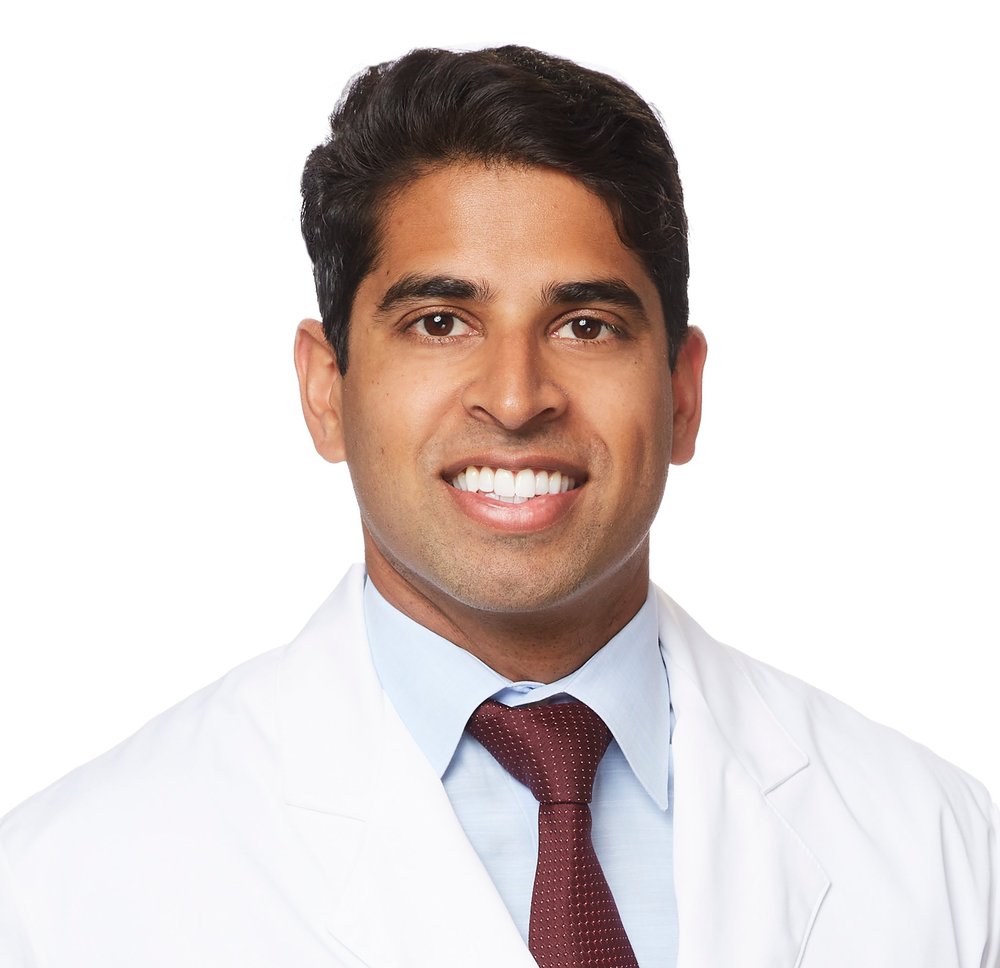
AT A GLANCE
Manoj P. Reddy, MD
- Board-certified orthopaedic surgeon, fellowship-trained in sports medicine and shoulder surgery at the Rothman Orthopaedic Institute
- Orthopaedic surgery residency at the University of Chicago
- Specializes in arthroscopic, reconstructive and joint replacement surgery of the shoulder, knee and elbow
- Assistant team physician for the Philadelphia 76ers, Eagles and Phillies during fellowship; covers Rowlett, Garland and Naaman Forest high schools
- Author of 27 peer-reviewed publications in sports medicine
- Living Magazine Top Doctor, 2024

